Understanding the Diverse Needs Within a Family
Recognizing Individual Characteristics
Every family is a tapestry of unique needs and characteristics. Understanding and appreciating the specific attributes each family member brings is crucial. Giftedness and neurodiversity both present unique challenges and strengths. It is essential to acknowledge that what works for one individual might not be effective for another.
Gifted individuals may display an intense curiosity, which can lead to exceptional achievement in specific areas. On the other hand, neurodiverse individuals, such as those with ADHD or autism, might exhibit distinct ways of processing information and interacting with the world. As Dr. Thomas Armstrong, an expert in multiple intelligences, notes, “Neurodiversity is an essential human feature that enables us to survive, adapt, and thrive.” Learn more here.
Balancing Various Needs
Successfully navigating the diverse needs within a family requires careful consideration and balance. Each family member’s requirements should be respected and supported. This can involve fostering open communication and ensuring everyone feels heard and valued.
Here are some practical tips parents can implement to support their neurodiverse and gifted children:
- Create a flexible routine: Develop a schedule that accommodates both structured and unstructured activities, allowing each child to thrive within a framework that suits their individual pace.
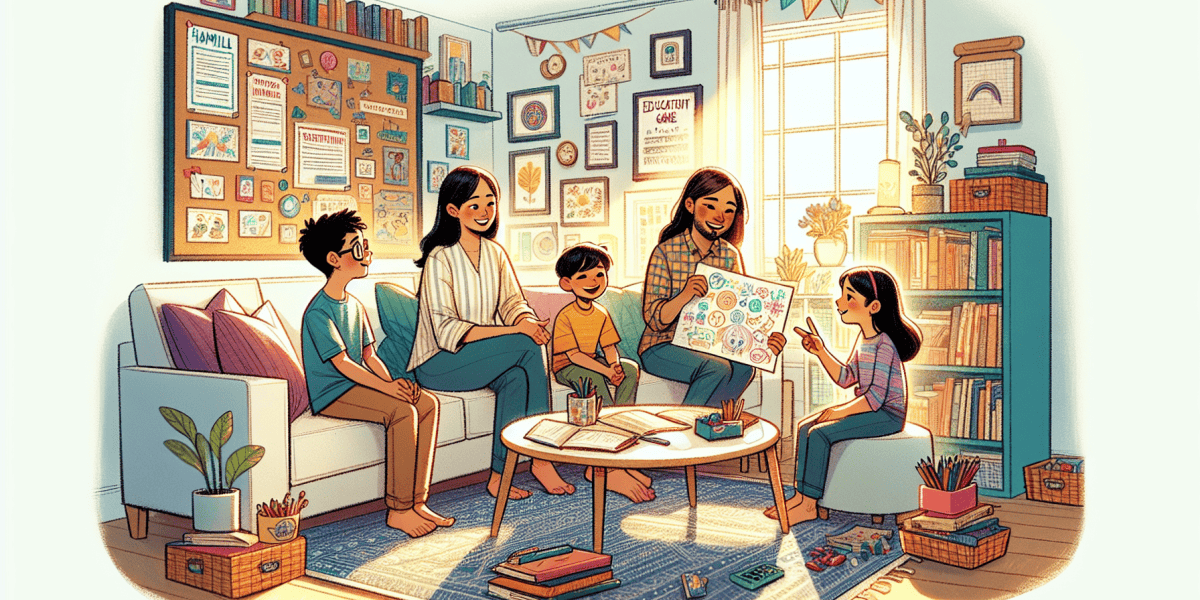
- Facilitate open discussions: Encourage family meetings where each member can express their feelings and needs. Using “I” statements rather than “you” statements can help reduce defensiveness and promote understanding.
- Seek professional guidance: Consulting with specialists can provide tailored strategies that cater to the nuanced needs of each family member, ensuring personal growth and family harmony.
Building Inclusive Environments
Crafting an inclusive environment within the home can significantly impact the well-being of all family members. Encouraging shared activities that respect individual preferences allows for collaboration and bonding. Parents can set the stage by modeling inclusive behavior and fostering empathy among siblings.
Expert opinions underscore the value of inclusivity. As education specialist Dr. James Delisle asserts, “Understanding the spectrum of each child’s abilities creates a nurturing atmosphere that celebrates differences while promoting mutual respect.” Read more here.
Actionable Tip:
- Promote strengths-based activities: Identify and engage in activities that leverage each child’s strengths, whether it be artistic pursuits, logical games, or outdoor adventures. Tailoring these experiences can boost confidence and foster an appreciation for diversity within the family.
By embracing and understanding each family member’s uniqueness, parents can cultivate a supportive, enriching environment that honors both gifted and neurodiverse identities.
Creating an Inclusive and Supportive Home Environment
Understanding the Needs of Gifted and Neurodiverse Children
Creating an environment that nourishes both gifted and neurodiverse children begins with understanding their unique needs. Gifted children often require intellectual stimulation and may become easily bored if not challenged appropriately. In contrast, neurodiverse children—a term encompassing a variety of cognitive differences like ADHD, autism, and dyslexia—may need structured support and accommodations to thrive.
Dr. Thomas Armstrong, an expert on learning and human development, advises parents to focus on the individual child rather than the label. He emphasizes, “Embrace your child’s unique qualities, and tailor your approach to match their personal strengths and challenges.” Read more about Dr. Armstrong’s work.
Fostering Open Communication and Emotional Support
Communication is the cornerstone of a supportive family environment. Foster an open dialogue where children feel comfortable expressing their thoughts and emotions. It’s important to validate their feelings and listen actively to their concerns.
Here are some actionable tips for enhancing communication:
- Practice active listening: This involves nodding, mirroring expressions, and verbally acknowledging what your child says.
- Use “I” statements: To express your own feelings without blaming the child, e.g., “I feel concerned when you don’t share how your day went.”
- Establish regular ‘check-ins’: Designate a time each week where everyone in the family can speak openly about their experiences and feelings.
According to Michelle Garcia Winner, an expert in social thinking, “Effective communication builds trust and helps children understand that their voices matter.” Learn more about her perspectives here.
Creating a Stimulating and Safe Physical Space
The physical space at home should cater to both the interests and sensory needs of your children. This can involve creating areas dedicated to specific activities such as reading, playing, or quiet reflection.
- Designate zones: Have separate spaces for high-energy activities and quieter ones. This helps manage sensory overload and provides options for different moods and tasks.
- Incorporate sensory-friendly elements: Use items like weighted blankets, fidget tools, or noise-canceling headphones for neurodiverse children who may have sensory sensitivities.
- Include enriching materials: Ensure access to books, puzzles, art supplies, and technology that can nurture a gifted child’s curiosity and talents.
It’s beneficial to regularly update this environment based on feedback from your children, ensuring it continues to meet their evolving needs. By fostering such an inclusive home environment, you create a foundation for both gifted and neurodiverse children to flourish.
Tailoring Education Plans for Different Learning Styles
Understanding Learning Diversity
Children possess a wide range of learning styles, and recognizing these differences is crucial in crafting educational plans that effectively cater to each child’s needs. Visual learners often benefit from diagrams, charts, and other visual aids, while auditory learners excel through listening and discussions. Kinesthetic learners, on the other hand, gain understanding by engaging in physical activities and hands-on experiences.
Dr. Howard Gardner’s Theory of Multiple Intelligences provides a framework for understanding these diverse learning preferences. Gardner emphasizes, “The biggest mistake of past centuries in teaching has been to treat all children as if they are variants of the same individual.” (source: Harvard Project Zero). By appreciating this diversity, parents and educators can create more inclusive and effective educational experiences.
Adapting Educational Approaches
To address the unique learning styles within a neurodiverse and gifted family, it’s important to tailor educational approaches. Here are some practical strategies:
- Incorporate Multisensory Learning: Engage multiple senses simultaneously to enhance understanding, such as combining audio, visuals, and tactile elements.
- Leverage Technology: Use educational software and apps that adapt to each child’s learning pace and style. Tools like Khan Academy and Duolingo offer personalized learning paths.
- Create Flexible Learning Environments: Allow children to learn at their own pace by utilizing flexible schedules and varied activities.
According to educational consultant Dr. Laura Markham, “A flexible approach that considers both strength and interest can make learning more meaningful for children.” (source: Aha! Parenting).
Practical Tips for Parents
Implementing a tailored education plan requires thoughtful planning and consistent effort. Here are some actionable tips for parents:
- Communicate with Educators: Regularly discuss your child’s progress and learning preferences with their teachers to ensure alignment in educational strategies.
- Observe and Adapt: Pay attention to what works best for your child. Be ready to adjust learning approaches based on their evolving interests and needs.
- Encourage Exploration: Provide opportunities for your child to explore various subjects and activities, helping them discover their passions and strengths.
By acknowledging the distinct learning styles of each child, parents can play a pivotal role in nurturing their potential and supporting their educational journey.
Encouraging Open Communication Among Family Members
Fostering an Inclusive Dialogue
Creating an environment that encourages open communication within a family can significantly help in addressing the diverse needs of both gifted and neurodiverse children. It’s crucial for family members to feel valued and heard, ensuring that each person’s perspective is respected. Dr. Laura Markham, a clinical psychologist specializing in family dynamics, states, “When families engage in inclusive dialogue, they build stronger connections and foster a supportive atmosphere where each member’s unique traits are celebrated” source.
To foster effective communication, consider establishing regular family meetings where everyone gets a chance to express their thoughts and feelings. These meetings can serve as a platform for problem-solving and decision-making, giving children the confidence to articulate their needs.
Active Listening Techniques
Practicing active listening is fundamental to understanding the individual needs of family members. Parents should focus on listening to their children without interrupting, validating their emotions, and responding with empathy. According to Dr. John Gottman, a renowned relationship researcher, “Active listening not only helps in better understanding your child but also strengthens the emotional bond between parents and children” source.
Here are some actionable tips to improve active listening:
- Make eye contact: Show that you are engaged and interested in what your child has to say.
- Mirror emotions: Reflect back what your child is feeling to validate their experience. For instance, “It sounds like you’re frustrated because…”
- Ask open-ended questions: Encourage children to elaborate on their thoughts by asking questions like, “How did that make you feel?” or “What do you think might happen next?”
Encouraging Expression Through Various Mediums
Recognizing that every child may prefer different ways of expression is key to nurturing communication. Gifted and neurodiverse children might find it easier to communicate through alternative mediums such as art, music, or writing. Encouraging these expressions can offer a more comfortable way for them to share their thoughts and experiences.
Suggestions for encouraging diverse forms of expression include:
- Art projects: Provide materials and space for drawing, painting, or crafting, which can be therapeutic and revealing.
- Journaling: Encourage children to keep a journal where they can write down their thoughts and feelings privately.
- Storytelling sessions: Allow children to create and share stories, which can be a fun way to explore their imagination and convey messages indirectly.
By fostering open communication through these strategies, families can better support each other and create a harmonious home environment that respects and uplifts each individual’s unique contributions.
Leveraging Professional Support and Resources
Understanding the Role of Professional Guidance
For families navigating both giftedness and neurodiversity, professional guidance can be invaluable. Psychologists and educators offer insights that can help parents tailor their approach to meet the unique needs of their children. According to Dr. James T. Webb, a renowned clinical psychologist and founder of SENG (Supporting Emotional Needs of the Gifted), “The interplay between giftedness and various forms of neurodiversity often requires specialized strategies that are best developed with professional input.” SENG.
Parents might consider seeking assessments from educational psychologists who specialize in twice-exceptional (2e) children. They can provide detailed evaluations that highlight a child’s strengths and challenges, forming the basis for personalized educational and emotional support plans.
Connecting with Educational Resources
Utilizing educational resources designed for neurodiverse and gifted learners can significantly benefit families. Schools often offer special programs or have staff trained to work with 2e students. It’s important for parents to proactively communicate with educators about their child’s dual needs. “A close partnership between parents and teachers is crucial,” suggests Dr. Linda Silverman, Director of the Gifted Development Center. “Together, they can create an enriched learning environment that nurtures a child’s potential across all areas.” Gifted Development Center.
Here are some steps parents can take to connect with valuable educational resources:
- Reach out to schools for information on available gifted and special education services.
- Join local parent groups focused on neurodiversity and giftedness to exchange experiences and resources.
- Attend workshops or webinars offered by experts in the field to stay informed about current research and strategies.
Practical Steps for Engaging Support Networks
Building a strong support network is essential. This network can include family members, therapists, educators, and community organizations. Community groups often provide forums for sharing tips and advice, fostering a sense of belonging and collective problem-solving.
Here are some actionable tips for parents looking to strengthen their support networks:
- Identify local organizations that specialize in neurodiversity and giftedness. These organizations can offer support groups, mentoring programs, and social activities.
- Leverage online platforms such as forums and social media groups dedicated to parenting gifted and neurodivergent children.
- Consider hiring professional advocates if you face challenges accessing appropriate educational accommodations for your child. Advocates can guide you through legal processes and ensure your child’s rights are respected.
By leveraging these professional supports and resources, parents can better navigate the complexities of raising a child who is both gifted and neurodiverse, ensuring their child’s holistic development.
Promoting Emotional and Social Growth in Neurodiverse Children
Understanding Emotional Needs
The emotional landscape for neurodiverse children, particularly those who are also gifted, can be incredibly complex. It’s crucial for parents to recognize and understand their children’s unique emotional needs. Dr. Ross Greene, a clinical psychologist known for his innovative research on child behavior, emphasizes that children do well if they can. He notes that “challenging behavior occurs when the demands and expectations being placed upon a child exceed the skills they have to respond adaptively.” This highlights the importance of creating environments that nurture emotional growth by meeting children where they are.
Parents can begin by practicing active listening—a tool that allows children to express their feelings freely. Empathy should be at the forefront of these conversations, as understanding a child’s perspective can go a long way in addressing emotional needs. Encourage your child to verbalize emotions through emotion cards or journals, which can assist in developing emotional literacy.
Fostering Social Skills
Social interactions can often pose a challenge for neurodiverse children. Building social skills is essential, not only for forming friendships but also for boosting self-confidence. According to autism researcher and professor Dr. Simon Baron-Cohen, “Playtime offers an ideal opportunity for young children to interact socially, developing the skills necessary to engage with others.”
One actionable tip is to organize structured playdates. These are small, supervised gatherings with peers that offer opportunities for guided social interaction. Games promoting teamwork and cooperation, like building a puzzle together, can serve as excellent tools for social development.
Parents might also consider enrolling their children in group activities that tap into individual interests. Whether it’s a robotics club or a drama workshop, shared interests provide a natural platform for forming connections.
Building a Supportive Network
Creating a supportive network is critical for both children and parents navigating the complexities of neurodiversity and giftedness. Establishing strong relationships with teachers and school counselors ensures that your child receives consistent support across different environments. Teachers can provide valuable insights into how your child interacts in a school setting, offering suggestions that can be mirrored at home.
Consider joining parent support groups, either locally or online, where you can share experiences and gather advice from others facing similar challenges. Websites like Understood.org, provide resources and forums for parents of neurodiverse children.
Actionable Steps:
- Attend workshops or webinars focused on neurodiversity and emotional intelligence.
- Schedule regular family meetings to check in on each family member’s feelings and concerns.
- Collaborate with educators to create personalized learning plans that incorporate social goals alongside academic ones.
By focusing on these areas, parents can create a nurturing environment that promotes emotional and social growth, helping their neurodiverse children thrive in various aspects of life.
Empowering Parents with Knowledge and Tools
Understanding the Needs of Gifted and Neurodiverse Children
Parents often find themselves navigating a complex landscape when raising children who are both gifted and neurodiverse. Understanding the unique needs of these children is the first step in providing effective support. Dr. Linda Silverman, renowned psychologist and author, emphasizes that “giftedness and neurodiversity often coexist, creating an enriched yet challenging environment for development” (Silverman, 2018). Recognizing this complexity enables parents to tailor their approaches and foster an environment conducive to growth.
Gifted and neurodiverse children may exhibit asynchronous development, where their intellectual abilities surpass their emotional or social skills. This can lead to frustration and anxiety if not addressed appropriately. Providing a balanced atmosphere will help these children thrive, both academically and personally. Consider seeking assessments from qualified professionals who can offer detailed insights into your child’s specific strengths and challenges.
Navigating Educational Resources and Support Systems
A critical component of supporting gifted and neurodiverse children is leveraging educational resources and support systems. Parents should explore local and online resources to identify programs that cater to their child’s unique needs. Public schools, private institutions, and homeschooling networks often offer specialized programs for giftedness and neurodiversity.
Actionable Tips:
- Engage with Educators: Establish regular communication with your child’s teachers to ensure they understand your child’s unique profile.
- Enroll in Enrichment Programs: Look for activities and camps that emphasize creative thinking, critical problem-solving, and social skills.
- Utilize Online Platforms: Websites like Hoagies’ Gifted Education Page provide extensive resources and forums for parents of gifted children.
According to Dr. Temple Grandin, a professor of animal science and autism advocate, “individualized learning experiences are vital for unlocking the potential of neurodiverse minds” (Grandin, 2020). Customizing educational experiences to match your child’s unique learning style can significantly impact their academic journey.
Building a Supportive Home Environment
Creating a nurturing and supportive home environment is crucial for the well-being of gifted and neurodiverse children. Encouraging open communication and fostering understanding within the family can diminish stress and enhance familial bonds.
- Promote Emotional Intelligence: Encourage your child to express their feelings and provide tools for managing emotions effectively. This can include mindfulness practices and emotional vocabulary building.
- Establish Routines: Consistent daily routines can provide stability and reduce anxiety, helping children feel secure and focused.
- Encourage Interests and Hobbies: Allow your child to explore various interests, even if they seem unconventional. These pursuits can often lead to significant personal and cognitive growth.
By adopting these strategies, parents empower themselves with the knowledge and tools necessary to guide their gifted and neurodiverse children toward healthy, fulfilling lives.