Understanding the Concept of Giftedness and Its Misconceptions
Defining Giftedness Beyond IQ
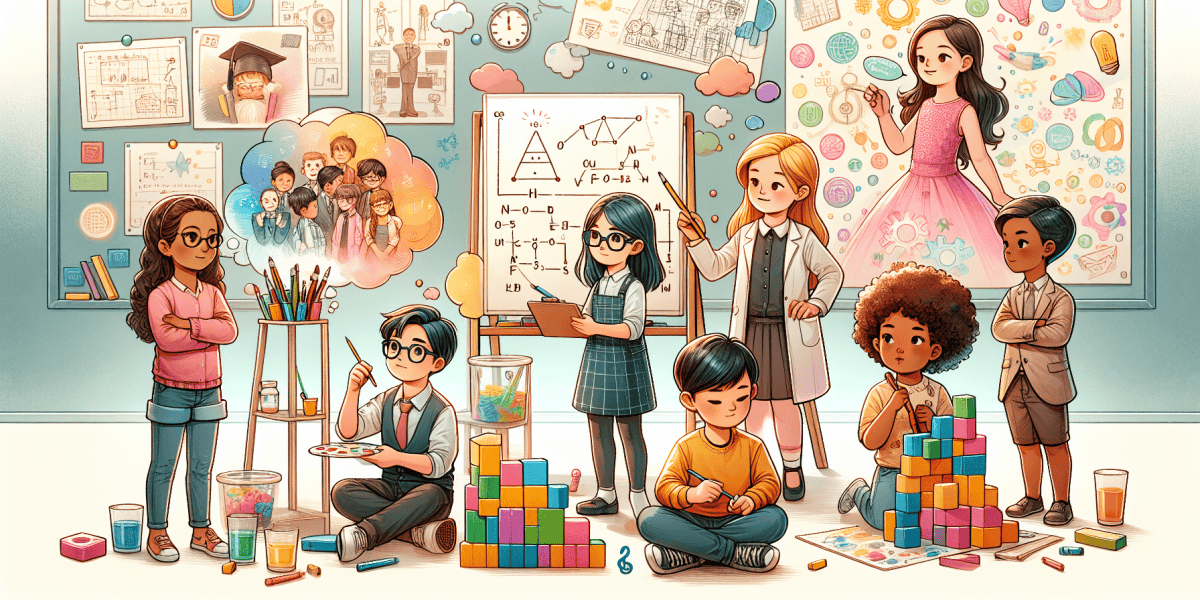
Giftedness is often narrowly perceived as high intelligence or remarkable academic ability. However, the concept extends far beyond mere IQ measurements. According to the National Association for Gifted Children, gifted individuals may exhibit exceptional talent in various domains such as creativity, leadership, and artistic or musical talents (source). It is important to recognize that giftedness can manifest differently in each child and is not limited to traditional academic settings.
Expert Opinion: Dr. Linda Silverman, a noted psychologist specializing in the needs of gifted children, explains, “Giftedness is asynchronous development; it is innate and determined by a complex interplay of biology and environment.” (source)
Common Misconceptions About Gifted Individuals
One prevalent myth is that gifted children will excel without support. This misconception leads to many gifted students being misunderstood and overlooked because their needs are assumed to be automatically met due to their advanced intellectual capabilities. In reality, these children often require tailored educational approaches and emotional support to thrive both academically and socially.
Another misunderstanding is that giftedness equates to high performance in all areas. As highlighted by psychologist Dr. James Webb, “Gifted children often suffer from uneven development and may show strengths in specific areas alongside weaknesses in others” (source). Such disparities can create frustration and anxiety for the child.
Actionable Tips for Parents:
- Advocate for Appropriate Educational Programs: Engage with educators to ensure that your gifted child’s curriculum is challenging and stimulating.
- Support Social Development: Encourage participation in activities that foster social skills, such as team sports or clubs focused on shared interests.
- Recognize and Celebrate Strengths and Weaknesses: Aid your child in developing a balanced self-view by acknowledging their strengths while assisting them in areas of difficulty.
The Emotional World of Gifted Children
Gifted children often exhibit heightened emotional sensitivity. This can manifest as intense reactions to seemingly minor events, leading parents and educators to misinterpret their behavior as exaggerated or melodramatic. It is crucial to understand that this heightened emotional state is a natural aspect of their giftedness.
Insights from Experts: According to The Social and Emotional Development of Gifted Children: What Do We Know? gifted children often possess a deep awareness and empathy that can make them more sensitive to social dynamics. This sensitivity, when misunderstood, can lead to feelings of isolation or anxiety (source).
Understanding the comprehensive nature of giftedness, dispelling common myths, and addressing the unique emotional landscape of these children are vital steps toward helping them navigate their social environment effectively. By tailoring strategies to their distinct needs, parents and educators can significantly enhance the well-being and success of gifted individuals.
The Impact of Social Stigma on Gifted Individuals
Understanding Social Stigma and Its Roots
Gifted individuals often face social stigma due to the misconceptions and stereotypes surrounding their abilities. Society tends to put them on a pedestal, expecting consistent excellence in all areas, which can lead to intense pressure and unrealistic expectations. Misunderstandings about what it means to be gifted can result in social isolation and bullying. Many people view giftedness through a narrow lens, only recognizing high academic achievement while neglecting the emotional and social complexities that often accompany it. This lack of understanding can alienate gifted individuals from their peers, causing them to hide their talents in an attempt to fit in.
The Emotional Toll on Gifted Individuals
The social stigma associated with being gifted can lead to significant emotional challenges. Depression and anxiety are not uncommon among gifted individuals, as they struggle to reconcile their inner experiences with external expectations. According to Dr. Tracy Cross, a prominent researcher on gifted education, “Gifted students often internalize others’ perceptions of them, leading to feelings of inadequacy when they fail to meet these exaggerated standards” (source). Additionally, the fear of failure can be overwhelming, making some gifted individuals hesitant to pursue new challenges or opportunities, thereby limiting their personal and professional growth.
Strategies for Parents: Navigating Social Challenges
Parents play a crucial role in helping their gifted children navigate social stigma. Here are some actionable tips to support your child:
-
Encourage Open Communication: Create a safe space for your child to express their feelings and concerns. Regularly check in with them about their social interactions and emotional well-being.
-
Foster Diverse Interests: Help your child develop interests outside of academics. This will not only broaden their horizons but also allow them to connect with peers who share similar passions.
-
Advocate for Appropriate Educational Settings: Work with educators to ensure your child’s learning environment is both challenging and supportive. Programs that offer enrichment or acceleration can help your child feel more engaged and understood.
-
Teach Resilience and Coping Skills: Equip your child with strategies to handle social setbacks and build resilience. Encourage them to view challenges as opportunities for growth rather than obstacles.
By understanding and addressing the social stigma faced by gifted individuals, parents and educators can create a more nurturing environment that allows these children to thrive.
Common Myths About Giftedness and How to Address Them
The Myth of Effortless Success
One common misconception about gifted individuals is that they achieve success effortlessly. This myth can lead to undue pressure and unrealistic expectations. Giftedness does not equate to instant mastery or lack of challenges. In fact, many gifted children face a unique set of hurdles, such as boredom in unchallenging environments or the emotional intensity of their experiences.
Dr. Linda Silverman, a psychologist specializing in the education of gifted children, explains, “Gifted children often require more support, not less, because their advanced abilities frequently mask their need for guidance and encouragement.” (Read more)
To address this myth:
- Encourage a growth mindset: Teach children that effort and persistence are more important than inherent ability. Praise their hard work and resilience.
- Provide challenging opportunities: Offer a variety of activities and subjects that push their boundaries and keep them engaged.
All Gifted Children Are High Achievers
Another pervasive myth is that all gifted children excel academically at all times. However, giftedness is not synonymous with exceptional academic performance across the board. Some gifted children might underachieve due to lack of interest, mismatched learning environments, or emotional factors.
Actionable Tips:
- Identify interests: Help your child discover and explore their passions. This can reignite motivation and engagement.
- Seek appropriate educational settings: Advocate for classroom modifications or acceleration if necessary, ensuring your child is adequately challenged.
Expert Insight: Dr. Tracy Cross, an expert in the social and emotional development of gifted children, emphasizes the importance of understanding individual needs: “Each gifted child has a unique profile of strengths and challenges. Parents and educators must take a personalized approach to nurture their potential.” (Learn more)
The Social Misfit Stereotype
Gifted children are often stereotyped as social misfits or loners. While it’s true that some gifted children may struggle with social interactions, others develop strong friendships and social skills. Recognizing and addressing the root of any social difficulties is crucial.
Dr. Sylvia Rimm, a noted child psychologist, points out, “Gifted children sometimes struggle with finding peers who share their interests, but this doesn’t mean they are destined for social isolation.” (Explore further)
Strategies for parents:
- Foster peer connections: Encourage participation in extracurricular activities where your child can meet like-minded peers.
- Teach social skills: Role-play various social scenarios to build confidence and empathy.
- Validate their emotions: Acknowledge your child’s feelings and help them articulate their thoughts.
By debunking these myths, parents and educators can better support gifted children in navigating their social landscapes and reaching their full potential.
Strategies for Managing Social Perceptions and Stereotypes
Understanding the Roots of Stereotypes
Stereotypes often emerge from a combination of cultural narratives and individual experiences, which can be misleading or overly simplistic. Dr. Carol Dweck, renowned psychologist and author of Mindset: The New Psychology of Success, emphasizes the importance of recognizing that stereotypes can limit both the perceivers and the targets of these preconceived notions. According to Dweck, “People can fall into the trap of a fixed mindset, where they believe traits are inherent and unchangeable” (source). This mindset can perpetuate stereotypes, particularly when it comes to gifted individuals who may be unfairly characterized as socially awkward or arrogant.
Promoting Empathy and Open Communication
One effective strategy for managing social perceptions is cultivating empathy and open communication. Educators and parents can play a pivotal role in this process by encouraging children to see situations from multiple perspectives. For instance, engaging in activities that involve role-playing different social scenarios can help children understand and appreciate the diverse ways people think and feel.
- Encourage empathetic listening: Teach children to actively listen to their peers, valuing their opinions and experiences.
- Discuss stereotypes openly: Create a safe space for conversations about stereotypes and their impact, helping children recognize and challenge these beliefs.
Building a Supportive Environment
Creating a nurturing environment at both home and school is crucial for gifted children to thrive socially. According to Dr. Tracy Cross, an expert in gifted education, it’s essential to foster an atmosphere where gifted students feel accepted for who they are beyond their intellectual prowess. In his work, Cross notes that “A supportive environment not only acknowledges the unique needs of gifted children but also encourages them to explore their social identities” (source).
Actionable Tips:
- Connect with like-minded peers: Encourage participation in clubs or groups that align with your child’s interests to facilitate friendships with peers who share similar passions.
- Foster collaborative projects: Engage children in team-based activities to build social skills and teamwork capabilities.
- Provide mentorship opportunities: Pair your child with a mentor who understands their challenges and can offer guidance on navigating social dynamics.
These strategies, rooted in understanding, empathy, and support, can help mitigate the impact of stereotypes and empower gifted individuals to flourish both socially and intellectually.
Building a Supportive Community for Gifted Individuals
Fostering Meaningful Connections
Gifted individuals often feel isolated due to their unique perspectives and intellectual capabilities. Creating an environment where they can form genuine, meaningful connections is crucial. Encouraging participation in interest-based groups or clubs can be particularly beneficial. These settings allow gifted individuals to meet peers who share similar passions, thus reducing feelings of loneliness and misunderstanding.
Educator Dr. Susan Daniels suggests, “Providing opportunities for gifted individuals to engage with like-minded peers can greatly enhance their social skills and emotional well-being” (Source). By connecting through shared interests, gifted individuals not only build friendships but also develop a sense of belonging and acceptance.
Creating Environments for Safe Expression
For gifted individuals, having a space where they feel safe to express their thoughts and emotions is vital. This could be in the form of supportive family interactions, open-dialogue classrooms, or dedicated forums online. In these environments, they can explore complex ideas and discuss their experiences without fear of ridicule or misunderstanding.
Experts like psychologist Linda Silverman emphasize, “Gifted individuals benefit immensely from environments where they are allowed to express themselves freely” (Source). Providing such spaces encourages open communication and helps them navigate the complexities of their emotional landscape.
Actionable Tips:
- Create a family ritual of weekly check-ins to encourage open dialogue.
- Encourage participation in online communities and forums dedicated to specific interests or topics.
- Advocate for school environments that promote open discussions and respect diverse viewpoints.
Nurturing Empathy and Understanding
Building a supportive community also involves educating peers, teachers, and even family members about the unique needs and challenges faced by gifted individuals. Developing empathy and understanding among those around them can make a significant difference in how gifted individuals interact socially.
Actionable Tips:
- Organize workshops or informational sessions in schools to educate others about the characteristics and needs of gifted individuals.
- Encourage gifted children to journal their experiences and share them with trusted adults or friends to foster empathy.
- Promote activities that require collaboration, helping gifted individuals practice social skills in a safe and structured setting.
Through these efforts, a more inclusive and compassionate community can be forged, enabling gifted individuals to thrive socially and emotionally.
Enhancing Emotional Resilience in Gifted People
Understanding Emotional Challenges
Gifted individuals often face unique emotional challenges due to their advanced cognitive abilities and heightened sensitivity to their environment. These challenges may include feelings of isolation, perfectionism, or intense self-criticism. According to Dr. Linda Silverman, a leading expert on giftedness, “Gifted children often experience emotions more intensely, which can lead to misunderstandings and difficulties in social settings” ([Source](https://www.sengifted.org/)). This intensity can make it difficult for them to connect with peers who may not share the same level of understanding or interests.
Building Strong Support Networks
Having a supportive network is crucial for helping gifted individuals enhance their emotional resilience. Parents, educators, and peers play significant roles in fostering an environment where gifted people feel understood and accepted. Here are some actionable tips to build such networks:
- Encourage Open Communication: Create a safe space where your child feels comfortable expressing their thoughts and emotions without fear of judgment.
- Connect with Like-Minded Peers: Facilitate interactions with other gifted individuals through clubs, online forums, or special programs. This helps them realize they are not alone in their experiences.
- Seek Professional Guidance: Consider engaging with a therapist or counselor who specializes in working with gifted individuals to help navigate emotional complexities.
Cultivating Coping Strategies
Developing effective coping strategies is essential for managing the emotional demands that come with being gifted. Here are some strategies to consider:
- Meditation and Mindfulness: Introduce practices such as meditation or mindfulness exercises to help manage stress and maintain emotional balance.
- Creative Outlets: Encourage participation in arts or other creative activities as a means to express emotions constructively.
- Time Management Skills: Teach your child how to prioritize tasks to prevent overwhelming situations and reduce stress associated with high expectations.
By understanding these challenges and implementing supportive measures, parents and educators can significantly aid gifted individuals in developing the necessary emotional resilience to thrive in various aspects of life.
Promoting Awareness and Acceptance of Giftedness
Understanding the Unique Needs of Gifted Individuals
Gifted individuals often face misconceptions and stereotyping, which can lead to social isolation. Acknowledging their unique needs is crucial in promoting a supportive environment. According to Dr. James T. Webb, a psychologist specializing in gifted education, “Gifted children often experience heightened sensitivity, which can manifest as emotional intensity and a strong sense of justice” (SENG). Thus, it is important for parents, educators, and peers to recognize that these characteristics are not simply exaggerated emotions but are part of their complex internal landscape.
Actionable Tips:
- Educate Yourself and Others: Learn about the characteristics of giftedness and share this knowledge with friends and family. This can help dispel myths and foster a more inclusive mindset.
- Promote Emotional Intelligence: Encourage gifted children to express their feelings constructively and empathize with others by modeling appropriate emotional responses.
Fostering a Supportive Community
Building a community that understands and accepts diversity in abilities can significantly enhance the experiences of gifted individuals. Engagement with like-minded peers provides them with opportunities to connect over shared interests and challenges. Creating platforms such as gifted student clubs or interest-based meetups can be immensely beneficial in this regard.
Actionable Tips:
- Organize Social Gatherings: Set up regular meetups or online groups for gifted children to interact and share experiences. This can provide them with a sense of belonging.
- Connect with Local Organizations: Get involved with local or national organizations dedicated to gifted education, such as the National Association for Gifted Children (NAGC), to tap into resources and support networks.
Addressing and Mitigating Stigmas
The stigmatization surrounding giftedness can be a barrier to acceptance. Reframing the narrative around giftedness is essential to overcome these social challenges. Dr. Tracy Ford Inman, co-author of “Parenting Gifted Children 101,” suggests that “By recognizing the diverse range of talents and intelligences, we can shift the focus from labels to achievements” (Prufrock Press).
Actionable Tips:
- Use Strength-Based Language: Focus conversations on strengths and talents rather than deficits or limitations to help alter perceptions.
- Seek Out Success Stories: Highlight stories of successful gifted individuals in various fields to demonstrate the positive impact of recognizing and nurturing giftedness.