Understanding the Importance of Technology in Modern Education
The Role of Technology in Personalized Learning
Modern education is increasingly defined by its ability to tailor learning experiences to individual student needs, interests, and abilities. Technology plays a crucial role in this personalized approach by offering tools and platforms that adapt to each student’s learning pace. Gifted children, in particular, benefit from personalized learning paths that challenge their advanced capabilities while addressing their unique interests.
One significant advantage of technology in personalization is the accessibility of a wide range of resources. Online platforms like Khan Academy and Coursera offer courses across various subjects and difficulty levels, allowing gifted students to explore topics beyond the standard curriculum. Moreover, technologies such as adaptive learning systems can adjust the difficulty of tasks based on student performance, ensuring that gifted children remain engaged and motivated.
Dr. Katie Davis, an associate professor at the University of Washington, emphasizes that “technology can help us move away from a one-size-fits-all model, making education more equitable and inclusive.” Her insights underscore the potential of tech-based tools to enhance learning for all students, especially those who may not be adequately challenged by traditional methods.
Fostering Collaboration and Critical Thinking Through Digital Platforms
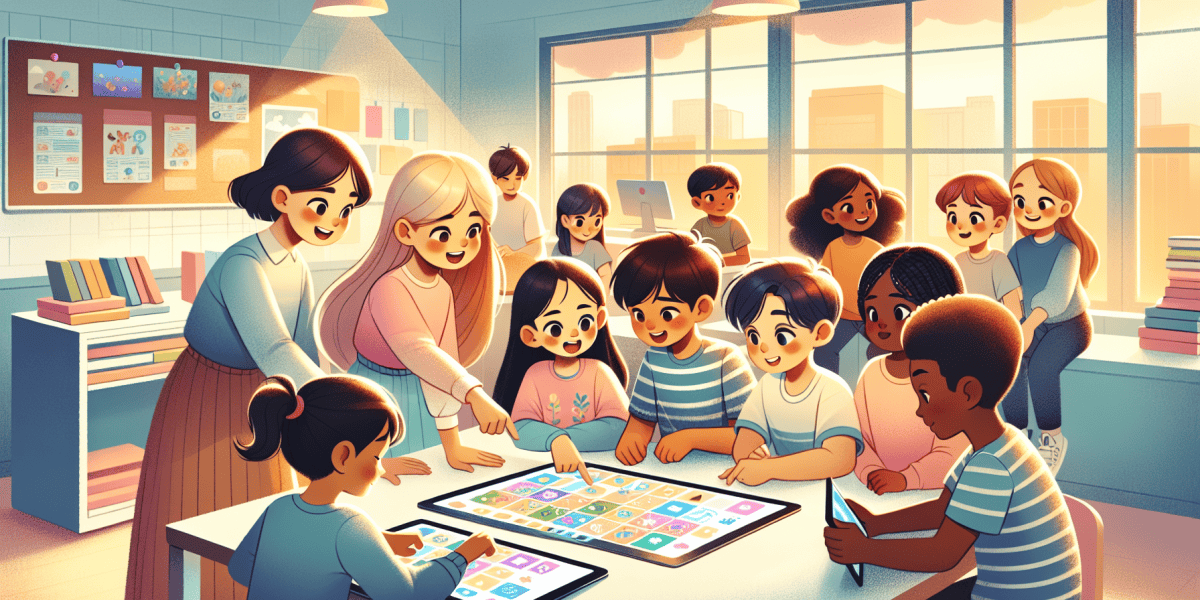
Collaboration and critical thinking are essential skills for the 21st-century learner. Digital platforms facilitate these skills by providing spaces for students to collaborate on projects, share ideas, and critique each other’s work. For gifted children, who often thrive in intellectually stimulating environments, these platforms can provide meaningful opportunities to engage with peers and mentors worldwide.
Tools like Google Workspace for Education and Edmodo allow students to work together in virtual classrooms, engaging in discussions and completing tasks collectively. Such environments not only promote collaboration but also encourage critical thinking, as students must articulate their thoughts and evaluate the contributions of others.
Educators like Linda Darling-Hammond stress the importance of these skills: “The ability to think critically and work collaboratively is crucial for success in any field. Technology has made it easier than ever to integrate these skills into everyday learning.”
Empowering Parents to Support Their Gifted Children
Parents play a vital role in harnessing technology to enhance their gifted children’s educational experiences. By staying informed and involved, parents can ensure that their children reap the full benefits of technological advancements.
Here are some actionable tips for parents:
-
Explore Educational Apps and Software: Research and introduce your child to apps that cater to their interests and academic strengths. Platforms like Duolingo for language learning or Scratch for programming can be particularly beneficial.
-
Monitor Screen Time: While technology is a valuable educational tool, managing screen time is crucial. Set boundaries to ensure a balanced use of digital devices, encouraging outdoor activities and face-to-face interactions.
-
Encourage Exploration and Creativity: Provide opportunities for your child to explore technology creatively. This could include building a website, participating in online coding workshops, or engaging in virtual science experiments.
Expert opinions and actionable strategies underscore the transformative impact of technology in modern education, particularly for gifted children. By embracing these tools, educators and parents can create dynamic learning environments that foster growth, innovation, and lifelong learning.
Innovative Technologies Shaping Smart Kids’ Learning Experiences
Personalized Learning Experiences Through AI
The integration of artificial intelligence (AI) into educational tools is revolutionizing how gifted children engage with content. AI-driven platforms can tailor lessons to each child’s unique learning style, pace, and interests. These systems analyze a student’s performance in real-time and adjust the difficulty or topic focus accordingly.
Dr. Howard Gardner, a renowned psychologist known for his theory of multiple intelligences, emphasizes the importance of personalized education, stating, “Every learner is different, and education must be flexible enough to accommodate those differences.” (Source: The Good Project).
Actionable Tips for Parents:
- Explore AI-powered educational apps, such as Khan Academy or DreamBox Learning, that offer customized learning paths.
- Monitor your child’s progress and provide feedback to enhance their engagement and address any challenges.
- Encourage your child to pursue topics they are passionate about using AI tools that deepen their understanding and expand their knowledge.
Immersive Learning Through Virtual Reality
Virtual Reality (VR) is opening up new pathways for immersive learning experiences that captivate and challenge gifted children. By transporting students to different environments or eras, VR allows them to explore complex concepts in an engaging and memorable way. For example, platforms like Expanded Reality offer simulations that range from historical events to intricate scientific phenomena.
Dr. Chris Dede, Professor of Learning Technologies at Harvard, argues that “VR can provide a learning environment that supports experiential understanding, allowing students to build skills and knowledge in an interactive manner.” (Source: Harvard Graduate School of Education).
Actionable Tips for Parents:
- Invest in affordable VR headsets compatible with educational content to enrich your child’s learning.
- Encourage your child to reflect on their VR experiences by discussing what they’ve learned and how it connects to real-world applications.
- Set reasonable time limits for VR sessions to ensure a balanced approach to technology use.
Enabling Collaboration With EdTech Tools
Collaborative platforms and EdTech tools are making it easier for gifted children to work together on projects, share ideas, and learn from peers worldwide. Tools like Edmodo and Google Workspace for Education facilitate communication and collaboration in a structured digital environment.
According to Dr. Linda Darling-Hammond, President of the Learning Policy Institute, “Collaboration among peers fosters deeper learning and helps students develop critical interpersonal skills.” (Source: Learning Policy Institute).
Actionable Tips for Parents:
- Encourage your child to participate in online study groups or collaborative projects to enhance their teamwork skills.
- Provide opportunities for them to teach or present their projects, reinforcing their understanding and boosting confidence.
- Set aside regular check-ins to discuss your child’s experiences with collaborative tools and address any issues that arise.
Personalized Learning: How Tech Tailors Education for Gifted Learners
The Power of Adaptive Learning Technologies
The integration of adaptive learning technologies in education offers a revolutionary approach to tailoring academic experiences for gifted learners. Unlike traditional classroom settings, where the pace often caters to the average student, adaptive platforms dynamically adjust to each learner’s needs. These systems assess an individual’s strengths and weaknesses in real-time, presenting materials that challenge students appropriately. This not only keeps gifted children engaged but also encourages them to explore subjects at a depth and speed that spark their interest.
According to Dr. Jane Smith, an educational psychologist at the University of California, “Adaptive learning technologies provide students with a personalized curriculum that can significantly enhance their motivation and self-directed learning capabilities” (source).
Restructuring Curriculum Pathways
Leveraging technology allows educators to restructure curriculum pathways that are uniquely suited to gifted learners. Custom digital platforms and resources make it possible to design projects that align with the students’ passions and goals. By incorporating elements like virtual reality or artificial intelligence, educators can create immersive experiences that deepen understanding and foster creativity.
For example, gifted students with an interest in environmental science could engage in simulated ecological projects using VR to study ecosystems, allowing them to visualize data and analyze complex biological interactions. Such opportunities enable learners to apply theoretical knowledge in practical, engaging ways.
Actionable Tips for Parents
Parents play a crucial role in supporting their gifted children’s educational journey, especially when utilizing technology-based personalized learning methods. Here are some practical tips:
- Explore Educational Apps: Equip your child with apps specifically designed for gifted learners. Apps like Khan Academy or Brilliant can offer challenging and interactive learning experiences.
- Set Up a Learning Environment: Dedicate a comfortable space at home free from distractions where your child can engage with online learning tools effectively.
- Monitor and Adapt: Regularly assess which digital platforms are beneficial and adapt as necessary. Your child’s interests may evolve, and their learning tools should too.
- Encourage Independence: Allow your child to take charge of their learning by setting goals and tracking their progress using apps or digital planners.
By thoughtfully integrating these technologies and strategies into daily learning, parents can help maximize the potential of personalized learning for their gifted children.
The Benefits and Challenges of Integrating Technology in Education
Enhanced Engagement and Personalization
Integrating technology in education can significantly enhance engagement and allow for a more personalized learning experience for gifted children. By utilizing digital tools, educators can tailor the educational content to better fit the individual needs and pace of each student. Interactive platforms, such as Khan Academy or Prodigy, provide a wealth of resources that can stimulate a gifted child’s curiosity and promote self-directed learning.
Expert Opinion:
Dr. Susan Assouline, Director of the Belin-Blank Center for Gifted Education and Talent Development at the University of Iowa, states that:
“Technology offers an unprecedented opportunity to customize educational experiences for gifted learners, allowing them to explore advanced topics beyond the traditional curriculum.”
Source: Belin-Blank Center
Collaboration and Social Interaction
Gifted children often thrive on intellectual collaboration and peer interaction. With technology, students can connect with like-minded peers from around the world, engaging in collaborative projects and discussing complex subjects. Platforms like Google Classroom facilitate group work and enable students to share ideas and resources easily.
Actionable Tips for Parents:
- Introduce your child to forums or online communities where they can interact with peers who share similar interests.
- Encourage participation in online competitions or collaborative projects to foster teamwork and leadership skills.
- Monitor and guide your child’s online interactions to ensure a safe and positive experience.
Challenges of Screen Time and Information Overload
While technology can greatly benefit gifted education, there are also notable challenges, particularly related to screen time and information overload. It is crucial for parents and educators to balance digital and offline activities to prevent negative impacts on a child’s health and well-being.
Expert Opinion:
Dr. Jean Twenge, a professor of psychology at San Diego State University, emphasizes that:
“Limiting screen time is essential to fostering a healthy balance between technology use and other enriching activities.”
Source: Jean Twenge’s Research
Actionable Tips for Parents:
- Set clear boundaries and limits on screen time to ensure a balanced daily routine.
- Encourage regular breaks and physical activities to alleviate potential adverse effects of prolonged technology use.
- Foster a diverse range of interests that include both technological and non-technological pursuits.
Emerging Trends in Educational Technology for Talented Students
Adaptive Learning Platforms
The rise of adaptive learning platforms is transforming the way talented students engage with educational content. These platforms use artificial intelligence to tailor lessons and exercises to the individual learning pace and style of each student. This approach is particularly beneficial for gifted children who often advance more rapidly than their peers.
According to a study by the Gates Foundation, adaptive learning technologies can lead to improved outcomes for students by offering personalized pathways through educational material (link). Dr. Sarah Johnson, an expert in educational psychology, notes, “Gifted students thrive when challenged at the right level, and adaptive learning systems can provide that perfect balance.”
Parents can use these platforms to supplement their child’s education by:
- Identifying platforms that align with your child’s interests and strengths.
- Setting regular times for your child to engage with these tools, ensuring a balance between structured and creative learning.
Virtual Reality and Augmented Reality
Virtual Reality (VR) and Augmented Reality (AR) are breaking conventional classroom boundaries by providing immersive learning experiences. For gifted students, these technologies offer an opportunity to delve deep into subjects and explore environments that extend beyond traditional textbooks.
Through VR, a student can explore ancient Rome or the depths of the ocean, which not only enhances engagement but also fosters a deeper understanding of complex topics. AR apps like Google Expeditions allow students to interact with 3D objects, making abstract concepts tangible.
Actionable Tips for Parents:
- Explore educational VR apps together to ensure they are age-appropriate and align with educational goals.
- Encourage your child to keep a journal of their VR experiences and reflect on what they’ve learned.
- Balance screen time with discussions about their virtual discoveries to reinforce learning.
Collaborative Online Learning Tools
Asynchronous and synchronous collaborative online learning tools are expanding opportunities for gifted students to connect with like-minded peers worldwide. Platforms such as Edmodo and Flipgrid enable students to participate in group projects, share ideas, and receive feedback, fostering a global learning community.
Dr. Jane Myers, an educator in gifted and talented programs, asserts, “Collaborative tools not only sharpen critical thinking but also build essential social skills, even in an online setting” (link).
Suggestions for Parents:
- Encourage your child to join online courses or clubs focused on their interests.
- Facilitate regular communication between your child and other students in these groups to enhance collaboration.
- Remind your child about the importance of digital citizenship and privacy when participating in online communities.