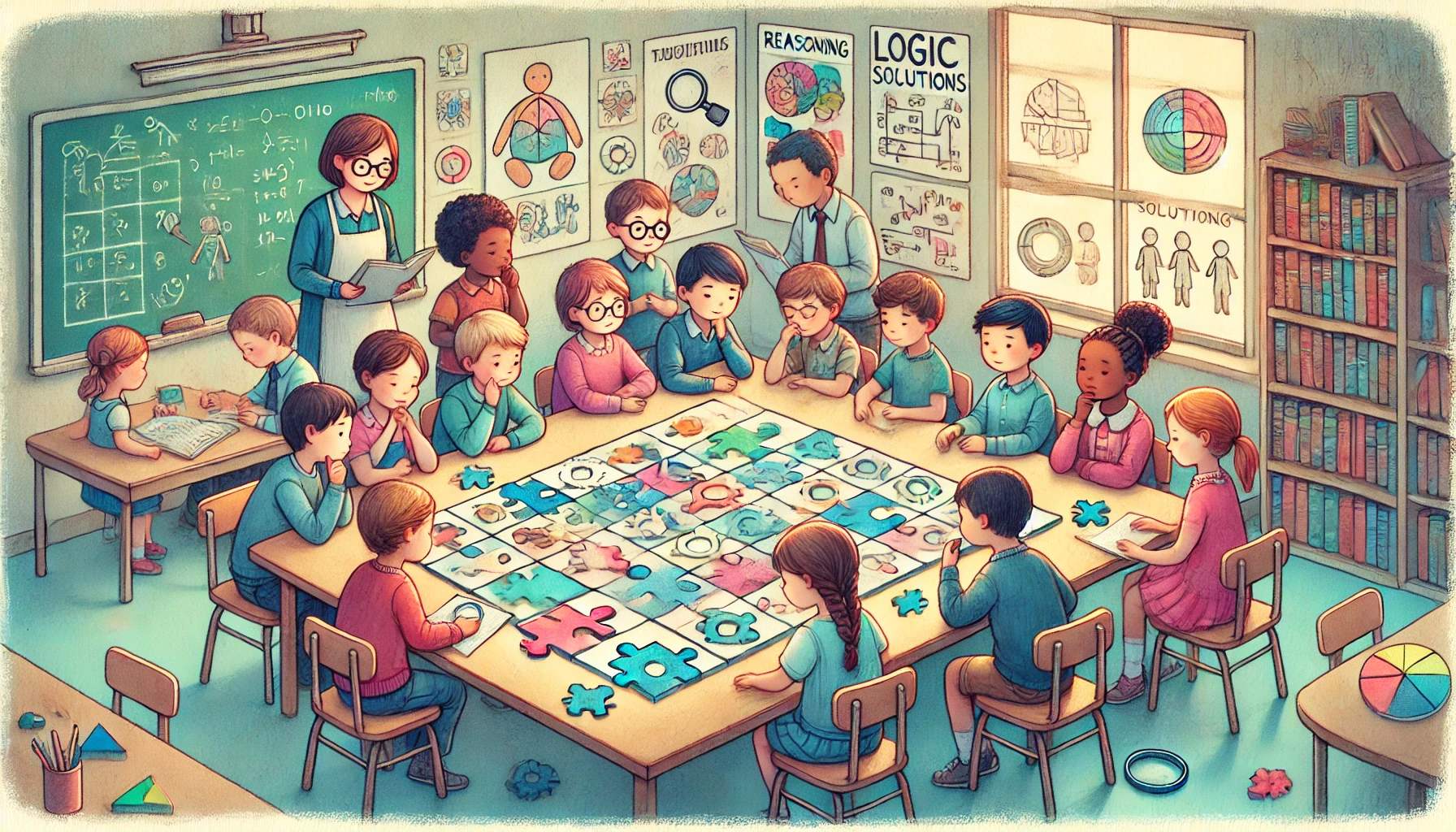
Understanding the Role of Critical Thinking in Gifted Education
Critical thinking is an essential component in the education of gifted students. It goes beyond mere acquisition of knowledge, aiming to sharpen analytical abilities and foster independence in thought. In a world where information is readily accessible, the ability to think critically about what is being learned becomes paramount.
Fostering Analytical Skills
Gifted education programs often emphasize depth over breadth, encouraging students to delve deeply into subjects and question underlying assumptions. By integrating critical thinking exercises, educators can help students develop a habit of questioning and exploring multiple perspectives. This analytical approach not only aids in understanding complex concepts but also prepares students for real-world problem-solving situations. Engaging students in debates, exploratory research projects, and case studies encourages them to assess evidence, recognize biases, and formulate reasoned arguments.
Encouraging Intellectual Independence
One of the ultimate goals of education for gifted learners is to cultivate independent thinkers. Critical thinking nurtures intellectual autonomy by teaching students to evaluate information and make decisions based on reasoned judgment rather than memorization. This skill set is crucial for gifted individuals, who often face unique challenges and opportunities due to their advanced cognitive capabilities. By encouraging students to think independently, educators empower them to take charge of their own learning journey, fostering a sense of responsibility and self-efficacy.
Promoting Creative Problem Solving
Critical thinking is inherently linked to creativity, particularly in how it enables students to approach problems from innovative angles. Gifted learners often excel in environments where they can explore novel solutions and challenge the status quo. By honing critical thinking skills, these students can better channel their creative energies into structured yet imaginative ways of solving problems. This process involves not only generating original ideas but also refining and iterating on those ideas through critical evaluation and feedback, ultimately leading to more effective and inventive outcomes.
Key Benefits of Critical Thinking for Gifted Students
Critical thinking is an essential component of education for gifted students, providing them with the tools to navigate complex problems and make informed decisions. By fostering critical thinking skills, educators can help gifted learners maximize their potential and enrich their educational experiences.
Enhanced Problem-Solving Abilities
Gifted students often excel when faced with challenging problems that require deep thinking and creativity. Critical thinking enhances their problem-solving abilities by encouraging them to analyze situations from multiple perspectives, identify biases, and evaluate the validity of information. This skillset enables gifted students to tackle advanced academic tasks and real-world challenges with confidence and ingenuity.
Improved Decision-Making Skills
Decision-making is a vital skill for personal and professional growth, and critical thinking plays a crucial role in this process. For gifted students, developing strong decision-making skills means learning to weigh evidence, consider alternative solutions, and anticipate potential outcomes. By honing these abilities, gifted learners are better equipped to make sound judgments that reflect careful consideration and foresight.
Increased Intellectual Engagement
Gifted students thrive in environments where they are intellectually challenged and engaged. Critical thinking encourages them to delve deeper into subjects, question assumptions, and explore new ideas. This intellectual engagement not only nurtures their curiosity but also fosters a lifelong love of learning. Through critical thinking, gifted students can cultivate a sense of ownership over their education, driving them to pursue knowledge with passion and zeal.
Strategies to Foster Critical Thinking in Gifted Learners
To effectively nurture the critical thinking abilities of gifted learners, it is essential to implement targeted strategies that cater to their unique intellectual needs. Gifted learners, characterized by their advanced cognitive abilities, often require educational experiences that challenge their thinking processes and encourage deeper exploration of concepts.
Integrating Divergent Thinking Exercises
Divergent thinking is a key component of critical thinking, involving the generation of multiple, innovative solutions to a problem. Educators can incorporate activities that encourage this kind of thinking by posing open-ended questions and presenting problems with no fixed solutions. For instance, asking students to brainstorm various uses for an everyday object can stimulate creative thinking. This approach not only enhances their problem-solving skills but also allows them to explore ideas from different perspectives, thus broadening their intellectual horizons.
Encouraging Socratic Dialogue
Socratic dialogue involves using questions to stimulate critical thinking and illuminate ideas. This method encourages students to think deeply about the topics being discussed, fostering an environment where inquiry is valued over rote memorization. By engaging in dialogues that explore complex concepts, gifted learners are given the opportunity to analyze underlying assumptions and develop well-reasoned arguments. Teachers can facilitate this process by posing thoughtful, probing questions that challenge students’ preconceptions and prompt them to consider alternative viewpoints.
Promoting Independent Research Projects
Independent research projects allow gifted students to delve into topics of personal interest, promoting ownership of their learning process and encouraging intrinsic motivation. Through these projects, students enhance their critical thinking skills by formulating hypotheses, conducting thorough literature reviews, and analyzing data. Encouraging learners to present their findings to peers fosters communication skills and allows for constructive feedback, further refining their analytical abilities. Such projects not only deepen subject matter understanding but also equip students with essential skills for lifelong learning and innovation.
Challenges in Integrating Critical Thinking into Gifted Programs
Integrating critical thinking into gifted programs presents a range of challenges that educators and program designers must navigate. These obstacles can stem from curriculum constraints, teaching methodologies, and resource availability. Understanding these challenges is crucial for developing effective strategies to enhance critical thinking in gifted education.
Curriculum Constraints
Gifted programs often follow a standard curriculum framework that may not easily accommodate the additional focus on critical thinking. While the curriculum is designed to meet learning objectives, it may lack the flexibility needed to incorporate challenging and open-ended questions that foster critical analysis. Additionally, standardized testing requirements can place pressure on educators to prioritize content delivery over the development of higher-order thinking skills, limiting opportunities for students to engage in deep and reflective thought processes.
Teaching Methodologies
Another significant barrier is the readiness and ability of teachers to effectively facilitate critical thinking activities. Many educators might not have received sufficient training in teaching methods that promote critical thinking, especially those tailored to the needs of gifted learners. This gap in professional development can lead to a reliance on traditional teaching techniques that do not encourage the exploration of complex, interdisciplinary problems. Consequently, students may miss out on the cognitive challenges necessary for honing their critical thinking capabilities.
Resource Availability
A lack of resources can also impede the integration of critical thinking into gifted programs. Schools often face budgetary constraints that limit access to advanced educational materials, such as technology tools or specialized curricula that support high-level analytical exercises. Furthermore, insufficient time dedicated to planning and collaboration among teachers can prevent the development of rich, cross-disciplinary lessons that nurture critical thinking. This scarcity of resources can hinder efforts to create an engaging and stimulating learning environment essential for gifted students.
Assessing Critical Thinking Growth in Gifted Students
Understanding the Importance of Assessment
In the realm of gifted education, critical thinking is a pivotal component that educators aim to cultivate. Assessing growth in critical thinking skills allows educators to tailor their teaching strategies effectively and ensure each student reaches their full potential. Traditional assessment methods may not always capture the depth of critical thinking required by gifted students. Therefore, innovative assessment approaches are essential for gaining insights into students’ thought processes and cognitive development.
Methods of Measuring Critical Thinking Skills
One approach to measuring critical thinking growth involves the use of performance-based assessments. These assessments require students to engage in complex tasks that reflect real-world problems, allowing educators to observe how students apply critical thinking skills in practice. Another method is the use of reflective journals where students articulate their thought processes, decision-making strategies, and problem-solving approaches. Analyzing these reflections provides educators with a deeper understanding of students’ critical thinking capabilities.
Challenges and Considerations
Assessing critical thinking in gifted students poses unique challenges. Gifted students often display asynchronous development, meaning their intellectual growth can outpace social and emotional maturity. This uneven development can impact how they express their critical thinking abilities. Additionally, cultural and linguistic diversity among gifted students necessitates culturally responsive assessment practices to accurately gauge their capabilities. Educators must be mindful of these factors when developing assessment strategies to ensure they are inclusive and equitable.