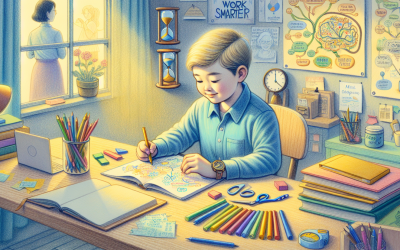
Understanding Twice-Exceptional Children
Defining Twice-Exceptional
Twice-exceptional children (also called “2e”) are those who simultaneously exhibit characteristics of giftedness and disabilities. These children often possess high intellectual capabilities but also face challenges such as learning disabilities, ADHD, autism spectrum disorders, or emotional and behavioral difficulties. This duality can make it difficult for educators and parents to recognize both the child’s strengths and needs.
Dr. James Webb, a renowned psychologist and author, notes that understanding twice-exceptionality is crucial as these children are often misunderstood: “The challenge with 2e children is that their disabilities can mask their giftedness, and vice versa, leading to an educational experience that neither nurtures their talents nor addresses their challenges.” Great Potential Press.
Identifying Characteristics of Twice-Exceptional Children
Recognizing a twice-exceptional child requires keen observation. While every child is unique, there are common traits among twice exceptional children:
- Uneven Development: These children may excel in certain areas while struggling significantly in others.
- Intense Curiosity: A deep interest in specific topics often drives them to acquire knowledge voraciously.
- Emotional Sensitivity: They might experience emotions more intensely, which can lead to anxiety or mood swings.
It is vital to note that traditional IQ tests or standard assessments may not fully capture their potential. For accurate identification, a comprehensive evaluation by professionals skilled in both gifted and special education is recommended.
Supporting Twice-Exceptional Learners
Providing effective support for twice-exceptional children involves addressing both their strengths and weaknesses. Here are some actionable tips for parents:
- Seek Specialized Educational Programs: Look for schools or programs specifically designed for twice exceptional learners. These environments often provide accommodations and enrichment activities tailored to meet diverse needs.
- Foster Open Communication: Maintain a strong communication channel between the child, parents, teachers, and specialists to ensure consistent support.
- Encourage Self-Advocacy: Teach your child to understand and articulate their own needs. This self-awareness can empower them to seek help when necessary.
For additional resources, parents can explore organizations such as the Twice Exceptional Foundation, which offers guidance and community support for families of 2e children.
Identifying the Unique Challenges Faced by Twice-Exceptional Families
Understanding Twice-Exceptionalism
Navigating the complexities of raising a twice-exceptional child—those who are both gifted and have learning or developmental challenges—requires an understanding of how these characteristics interplay. Twice-exceptional children can excel in certain areas while struggling significantly in others, which can lead to what educators term as an “asynchronous development.” This uneven developmental profile often means that a child’s intellectual or creative talents might overshadow their disabilities, making it hard for teachers and parents to recognize the support they need.
Psychologist Dr. Susan Baum explains, “The intensity with which these children experience the world can make them feel deeply misunderstood. It’s crucial for those parenting a twice-exceptional child to recognize both their talents and their challenges.” Baum, S. “Why Are So Many Gifted Students Considered ‘Twice-Exceptional’?” Education Week.
Navigating Educational Systems
Educational systems often lack the flexibility to accommodate the nuanced needs of twice-exceptional children. Schools might be equipped to challenge gifted students or provide support for those with disabilities, but rarely both simultaneously. This gap in support can leave twice-exceptional students without adequate educational resources.
Parents can advocate for their children by taking the following steps:
- Conduct Comprehensive Assessments: Work with schools to ensure your child receives thorough assessments that highlight both their strengths and challenges.
- Request Individualized Education Plans (IEP): An IEP tailored for a twice-exceptional student should encompass strategies that nurture their talents while addressing areas of difficulty.
- Foster Open Communication: Maintain regular communication with educators to monitor progress and adjust strategies as needed.
Gifted education specialist Dr. Sally Reis emphasizes, “It’s important for parents to become informed advocates. Collaboration between parents and schools is key in crafting a program that allows these unique learners to thrive.” Reis, S. M., “Developing Academic Strengths and Talents in Twice-Exceptional Students.” Gifted Child Today.
Emotional and Social Challenges
But parenting a twice-exceptional child goes beyond educational hurdles. Twice-exceptional children frequently face emotional and social challenges. They may struggle with low self-esteem, anxiety, or difficulty forming friendships due to feeling different from their peers. The combination of high intellectual ability and learning challenges can also lead to frustration and emotional outbursts.
Experts suggest the following strategies to support emotional and social well-being:
- Cultivate Emotional Intelligence: Encourage children to express their feelings and develop coping strategies through activities like journaling or art.
- Build Supportive Networks: Connect with other families of twice-exceptional children to share experiences and insights.
- Seek Professional Guidance: Consider working with a therapist who specializes in supporting twice-exceptional individuals.
Dr. Megan Foley Nicpon, a leading researcher in twice-exceptionality, notes, “Addressing these children’s emotional needs is just as critical as fostering their academic growth. A holistic approach is necessary to help them succeed.” Foley Nicpon, M., “Gifted with a Learning Disability: A Surprising Dilemma.” American Psychological Association.
Balancing Giftedness and Learning Disabilities
Understanding the Dual Nature of Twice-Exceptionality
Parenting a twice-exceptional child, one who is both gifted and has learning disabilities, can be a complex journey. It involves acknowledging that these children possess exceptional talents alongside challenges that require unique approaches. Dr. Susan Baum, director of the 2e Center for Research and Professional Development, emphasizes that, “such children have the potential to excel, but their abilities can be overshadowed by their learning difficulties if not properly managed” (source).
Parents often find themselves in a delicate balancing act—nurturing their child’s talents while simultaneously addressing their educational and emotional needs. It’s crucial to separate giftedness from learning disabilities, recognizing that both aspects impact their child’s development.
Practical Strategies for Parents
To effectively support a twice-exceptional child, parents should consider implementing several tailored strategies:
- Collaborate with Educators: Engage in open communication with teachers and school administrators to create an individualized education plan (IEP) or 504 Plan that accommodates both giftedness and learning disabilities.
- Leverage Strengths: Identify your child’s strengths and interests to foster a positive self-image and build confidence. Consider enrolling them in clubs, courses, or extracurricular activities that align with their talents.
- Set Realistic Goals: Work with your child to set achievable goals in both academic and personal contexts. This helps manage expectations and reduces stress associated with their disabilities.
- Embrace Assistive Technology: Use tools and resources like speech-to-text software or graphic organizers that cater to their specific learning challenges.
- Seek Professional Support: Consulting with specialists such as educational psychologists or occupational therapists can provide insights into effective learning strategies tailored for your child.
The Role of Emotional Support
Beyond academic support, providing emotional understanding is critical. Dr. Edward Amend, a clinical psychologist who specializes in gifted children, suggests that, “twice-exceptional children need environments where they feel safe expressing their frustrations and challenges without fear of judgment” (source). Fostering a supportive home environment where emotions are validated can make a significant difference in a child’s overall well-being.
Additionally, encourage social connections with peers who have similar interests and challenges. This can help combat feelings of isolation and bolster a sense of belonging, which is crucial for emotional development.
Effective Strategies for Supporting Twice-Exceptional Children
Understanding the Unique Needs of Twice-Exceptional Learners
Twice-exceptional (2e) children exhibit a unique combination of giftedness and learning challenges. Recognizing and understanding these needs forms the foundation for effective support. Patricia Schuler, a renowned psychologist with expertise in gifted education, emphasizes the importance of focusing on both strengths and weaknesses: “For 2e children, it’s essential to nurture their talents while providing the necessary accommodations for their challenges.” You can read more about her insights here.
Parents and educators need to adopt a holistic approach that simultaneously addresses the advanced cognitive abilities and the specific difficulties these children face. This could mean differentiating instruction to match intellectual needs while also providing remedial support for areas of difficulty.
Implementing Individualized Education Plans
Creating an Individualized Education Plan (IEP) tailored to the child’s dual needs is critical. An effective IEP should incorporate measurable goals that account for both the child’s giftedness and their learning disabilities. Here are some tips for crafting an effective IEP:
- Identify Strengths and Weaknesses: Conduct comprehensive assessments to pinpoint areas of giftedness and challenge.
- Set Realistic Goals: Establish objectives that foster growth in both strengths and areas of need.
- Include Accommodations and Modifications: Ensure that classroom settings, teaching methods, and materials are adapted to support the child’s dual profile.
Dr. Susan Baum, director of the International Center for Talent Development, suggests collaborating closely with educators to craft plans that truly benefit the child: “A well-formulated IEP can be a roadmap to success for twice-exceptional students.” Her research highlights the importance of ongoing communication between parents and teachers, as discussed here.
Building a Supportive Home Environment
The home environment plays a pivotal role in supporting 2e children. Besides educational strategies, emotional support and understanding from family are crucial. Here are actionable steps you can take:
- Foster Open Communication: Encourage your child to express frustrations and successes regarding their educational experiences.
- Promote Strength-Based Activities: Engage your child in activities that leverage their strengths, providing a sense of accomplishment and confidence.
- Create a Structured Routine: Establish consistent schedules that help the child manage tasks effectively and reduce anxiety.
Many experts, including Sarah Ward, a speech-language pathologist and expert in executive function skills, recommend integrating strategies that improve organizational skills and independence: “Teaching organization and planning strategies empowers twice-exceptional children to harness their abilities despite their challenges.” More insights can be found here.
The Role of Schools and Educators in Twice-Exceptional Education
The Importance of Recognizing Twice-Exceptional Students
Educators play a crucial role in identifying and supporting twice-exceptional students, who often go unnoticed due to the complexities of their needs. These students simultaneously possess exceptional intellectual abilities and learning challenges, which can lead to their gifts masking their disabilities or vice versa. According to Dr. Susan Baum, an expert in gifted education and twice-exceptionality, “Teachers need comprehensive training to recognize the unique profiles of these students, as standard evaluation methods may fail to capture their dual needs” (source). By understanding these complexities, educators can provide a more nurturing environment that aligns with both the students’ strengths and challenges.
Creating an Inclusive and Flexible Curriculum
To cater effectively to twice-exceptional students, schools must implement a differentiated approach to learning that can accommodate diverse learning styles and abilities. This involves offering a flexible curriculum that allows students to advance in areas of strength while receiving support where needed. Here are some actionable tips for educators:
- Individualized Education Plans (IEPs): Collaborate with specialists to create tailored IEPs that address both the intellectual strengths and learning challenges of twice-exceptional students.
- Project-Based Learning: Incorporate project-based assignments that allow students to explore subjects deeply, tapping into their creative and analytical skills.
- Technology Integration: Utilize technology tools and resources that can adapt to various learning levels, such as text-to-speech software or interactive lesson platforms.
Collaborating with Families and Specialists
Effective communication between schools, families, and specialists is vital in supporting twice-exceptional children. By fostering a collaborative partnership, educators can ensure a consistent and effective approach to a child’s development both at school and home. Parent-teacher meetings, regular updates, and coordinated efforts with therapists or psychologists can lead to more informed strategies that benefit the child. Dr. Linda Silverman, founder of the Gifted Development Center, emphasizes, “A unified team approach encourages shared insights and joint decision-making” (source).
Parents can further support their child’s education by:
- Engaging in Regular Dialogue: Maintain open lines of communication with teachers and specialists regarding your child’s progress and any new developments.
- Advocating for Resources: Work with school administrations to secure necessary accommodations, such as extended time on tests or access to advanced coursework.
- Providing Supportive Home Environment: Create a home atmosphere that values education, encourages exploration, and accommodates the unique learning needs of your child.
Accessing Resources and Support Networks for Parents
Understanding the Importance of Support Networks
Raising a twice-exceptional child can be both rewarding and challenging, as parents navigate the unique needs and strengths of their child. Establishing a strong support network is crucial for providing both emotional and practical assistance.
Dr. Susan Baum, a renowned expert in gifted education, emphasizes that “connecting with other parents who share similar experiences can be incredibly empowering.” She suggests that parents actively participate in forums and groups dedicated to twice-exceptional children.
- Join online forums such as the Twice-Exceptional Newsletter community.
- Attend local meet-ups or conferences organized by organizations like NAGC (National Association for Gifted Children).
Leveraging Educational Resources
Accessing educational resources designed specifically for twice-exceptional students can significantly enhance your child’s learning experience. Many educational institutions and organizations offer tailored programs and materials.
According to Dr. Thomas Hehir, a professor at Harvard Graduate School of Education, “Schools need to be more aware of the diverse needs of twice-exceptional students and provide appropriate accommodations.”
Actionable Tips:
- Consult with your child’s teachers and request an Individualized Education Program (IEP) if needed.
- Explore specialized curricula and tools available from platforms like Khan Academy and Reading Rockets.
Connecting with Professional Advisors
Enlisting the support of professionals—such as psychologists, therapists, or educational consultants—can provide valuable insight into managing the complexities of raising a twice-exceptional child.
It is often beneficial to work with a specialist who understands the specific challenges associated with high ability coupled with learning disabilities.
Key Steps:
- Seek evaluations and therapy options from professionals specializing in twice-exceptionality.
- Utilize platforms like Psychology Today to find local experts in your area.
- Regularly consult with these advisors to monitor progress and adapt strategies as needed.
Promoting Emotional Well-being in Twice-Exceptional Kids
Understanding Emotional Needs
Twice-exceptional children, those who are both gifted and have learning differences, face unique emotional challenges. Their intense intellectual curiosity can sometimes lead to frustration when they encounter obstacles due to their exceptional learning needs. According to Dr. Susan Baum, an expert in the field of gifted education, “These children often experience heightened levels of anxiety and pressure because of the dual nature of their abilities and difficulties” (source). Parents should aim to understand these emotional needs by engaging in open conversations and encouraging their children to express feelings without judgment.
Creating a Supportive Environment
A nurturing environment is crucial for the emotional well-being of twice-exceptional kids. This involves not only unconditional love and acceptance but also recognizing and celebrating their strengths while providing support for their challenges. Parents can follow these practical steps to create a supportive atmosphere:
- Encourage self-expression: Allow children to engage in activities that promote creativity such as drawing, music, or storytelling.
- Establish routines: Consistent daily routines can provide stability and help reduce anxiety.
- Provide opportunities for social interaction: Encourage participation in clubs or groups that cater to their interests to build friendships with like-minded peers.
Educational psychologist Dr. Linda Silverman advises, “Finding a good balance between areas of strength and weakness can enhance the child’s self-esteem and motivation” (source).
Building Resilience and Coping Skills
Developing resilience is essential for twice-exceptional children as they navigate the complexities of their dual identity. Teaching coping skills can empower them to handle setbacks and build confidence. Here are some strategies parents can implement:
- Model problem-solving: Demonstrate effective ways to tackle challenges by thinking aloud during problem-solving activities.
- Teach relaxation techniques: Practices like deep breathing or mindfulness meditation can help manage stress effectively.
- Celebrate small victories: Acknowledge and reward effort and progress, no matter how minor it may seem.
Dr. Thomas Greenspon, a psychologist specializing in giftedness, notes that “Resilience comes from learning that imperfections and failures are part of success” (source). Educating children in this mindset can be a powerful tool for promoting long-term emotional well-being.