As parents, we all want to unlock our children’s potential and help them flourish in every aspect of life. But when raising a gifted child, we face a unique set of challenges and opportunities. Did you know that early music education can play a crucial role in enhancing your gifted child’s cognitive, emotional, and social development? It’s true! Studies have shown that engaging with music from an early age can boost intelligence, enhance creativity, and provide a vital outlet for emotional expression. If you’re wondering how to nurture your gifted child’s talents and support their growth, music might be the key you’ve been searching for.
Let’s dive into the fascinating world of music education and discover the incredible benefits it offers for gifted kids. We’ll explore how music can enhance cognitive abilities, foster emotional intelligence, and even provide long-term academic and career advantages. Plus, we’ll provide practical tips on how to integrate music into your child’s life. Ready to unlock your child’s potential through rhythm and melody? Let’s get started!
Cognitive Benefits of Early Music Education for Gifted Kids
Gifted children often possess remarkable cognitive abilities, but these abilities need nurturing to develop fully. Early music education provides a unique way to enhance various cognitive functions that are critical for a child’s overall development.
Enhanced Memory and Concentration
Music education is like a workout for the brain. When children learn to read music or play an instrument, they’re not just memorizing notes; they’re training their brains to recognize patterns, develop concentration, and recall information more efficiently. A study by researchers at the University of California, Irvine, found that children who received music lessons showed significant improvements in memory compared to their peers who did not. This is especially beneficial for gifted kids, who often thrive on complex cognitive challenges.
By engaging in musical activities, gifted children can enhance both their short-term and long-term memory. This is not just about remembering the notes of a song; it’s about retaining and recalling various types of information, which can translate to improved performance in school subjects like history and science.
Boosting Mathematical Skills
There’s a strong connection between music and math. Rhythm and melody are rooted in mathematical concepts such as fractions, ratios, and patterns. When children learn to understand rhythm, they are essentially learning to recognize patterns and sequences—key components of mathematical thinking. For gifted kids, who often excel in logic and problem-solving, music education can further hone these skills.
Dr. Frances Rauscher, a psychologist who has conducted extensive research on the link between music and math, notes that “music training, specifically piano instruction, is far superior to computer instruction in enhancing children’s abstract reasoning skills, which are necessary for learning math and science.” This is particularly pertinent for gifted children who may already have an affinity for mathematics; music can help them develop this talent even further.
Improved Language and Literacy
Music and language share many neural pathways in the brain, which means that learning music can also enhance language skills. This is especially important for gifted kids, who may have advanced verbal abilities but could still benefit from strengthening their language skills. Studies have shown that children with early musical training have superior phonetic awareness and vocabulary.
When children learn songs, they’re not just memorizing words—they’re learning rhythm, intonation, and expression, all of which are crucial components of effective communication. Music education also improves literacy by enhancing the ability to recognize and predict patterns in language. This can be particularly beneficial for gifted children, helping them excel in reading, writing, and even public speaking.
Emotional and Social Benefits of Music Education
Beyond the cognitive realm, music offers numerous emotional and social benefits, particularly for gifted children who often experience heightened emotional sensitivity and complexity.
Emotional Intelligence Development
Gifted children are often emotionally intense and may struggle with managing their feelings. Music provides a unique outlet for expressing these emotions in a healthy way. Whether it’s the soothing sounds of a lullaby or the energetic beats of a drum, music can help children understand and articulate their emotions.
According to Dr. Joanne Ruthsatz, a renowned child psychologist, “Music allows children to experience emotions in a controlled environment, which can help them develop emotional intelligence and empathy.” By engaging with different types of music, children learn to identify and express a range of emotions, which is critical for emotional development.
Building Confidence and Self-Esteem
For many gifted children, the fear of failure or perfectionism can be significant barriers to confidence. Learning an instrument or participating in music performances can be a great way to build self-esteem. Each successful performance or mastered piece of music serves as a confidence booster, showing children that effort and practice lead to improvement.
Imagine your child standing in front of an audience, playing a piece of music they’ve been practicing for weeks. The applause that follows is not just recognition of their talent but also a powerful affirmation of their abilities. This experience can be transformative, providing a sense of accomplishment that extends beyond music to other areas of life.
Social Skills and Teamwork
Music education is not just a solitary pursuit; it often involves group activities like choir, band, or ensemble playing. These group settings are invaluable for teaching social skills such as cooperation, listening, and empathy. Gifted children, who might sometimes feel isolated or misunderstood, can find a sense of belonging and community in a group music setting.
Playing in a group also teaches children the importance of teamwork. Every member of an ensemble has a role to play, and the success of the performance depends on everyone working together. This collaborative environment can help gifted children develop social skills and learn the value of working as part of a team.
Music as a Creative Outlet for Gifted Kids
Gifted children are often highly creative and imaginative, and music provides an ideal outlet for this creativity.
Encouraging Creative Thinking
Music education stimulates the brain in ways that foster creative thinking. When children learn to improvise on an instrument or compose their own music, they are engaging in a form of creative problem-solving that encourages innovation and flexibility.
For gifted kids, who may already show a high degree of creativity, music can be a way to further explore and expand their creative capacities. It’s a sandbox for the mind, where there are no wrong answers—only endless possibilities. This freedom to create without fear of judgment or failure can be incredibly liberating for gifted children.
Self-Expression Through Music
Gifted children often have unique perspectives and experiences, and music provides a powerful medium for expressing these views. Whether it’s through writing lyrics, composing a melody, or interpreting a piece of music, children can convey their thoughts and emotions in a way that words alone might not capture.
For example, a child who is passionate about environmental issues might compose a piece of music that reflects their feelings about nature and conservation. This not only allows them to express themselves but also helps them process their emotions and experiences in a constructive way.
The Role of Improvisation
Improvisation is a key aspect of music education that encourages creative thinking and problem-solving. When children improvise, they are essentially creating music on the spot, which requires quick thinking and adaptability. This can be especially beneficial for gifted children, who may enjoy the challenge of thinking outside the box and exploring new ideas.
Improvisation also helps children develop resilience and flexibility, as it encourages them to take risks and learn from mistakes. This can be a valuable lesson for gifted children, who may struggle with perfectionism or fear of failure.
Long-Term Academic and Career Advantages
The benefits of early music education extend far beyond childhood, providing advantages that can impact academic performance and future career prospects.
Academic Performance
Several studies have shown a correlation between music education and improved academic performance. Children who study music often show higher grades and test scores, particularly in subjects like math, science, and language arts. This is likely due to the cognitive benefits of music education, which enhance skills like memory, concentration, and critical thinking.
For gifted children, who may already excel academically, music education can provide an additional boost by developing skills that are transferable to other areas of study. For example, the discipline and focus required to learn an instrument can also help children excel in subjects that require sustained attention and effort.
Preparation for Future Careers
Music education doesn’t just prepare children for careers in music; it also provides skills that are valuable in a wide range of professions. The ability to think creatively, work collaboratively, and communicate effectively are all skills that are highly valued in today’s job market.
For gifted children, who may have a wide range of interests and abilities, music education can provide a foundation for future success in fields like engineering, medicine, and computer science. These fields often require a high degree of creativity, problem-solving, and attention to detail—all skills that are developed through music education.
Developing a Lifelong Love of Learning
Perhaps one of the most valuable benefits of music education is that it fosters a lifelong love of learning. Gifted children, who are often naturally curious and eager to explore new ideas, can find joy and fulfillment in the study of music. This love of learning can extend beyond music to other areas of life, encouraging children to pursue their passions and continue learning throughout their lives.
Practical Tips for Parents and Educators
Integrating music into your gifted child’s life doesn’t have to be daunting. Here are some practical tips to help you get started:
Choosing the Right Instrument
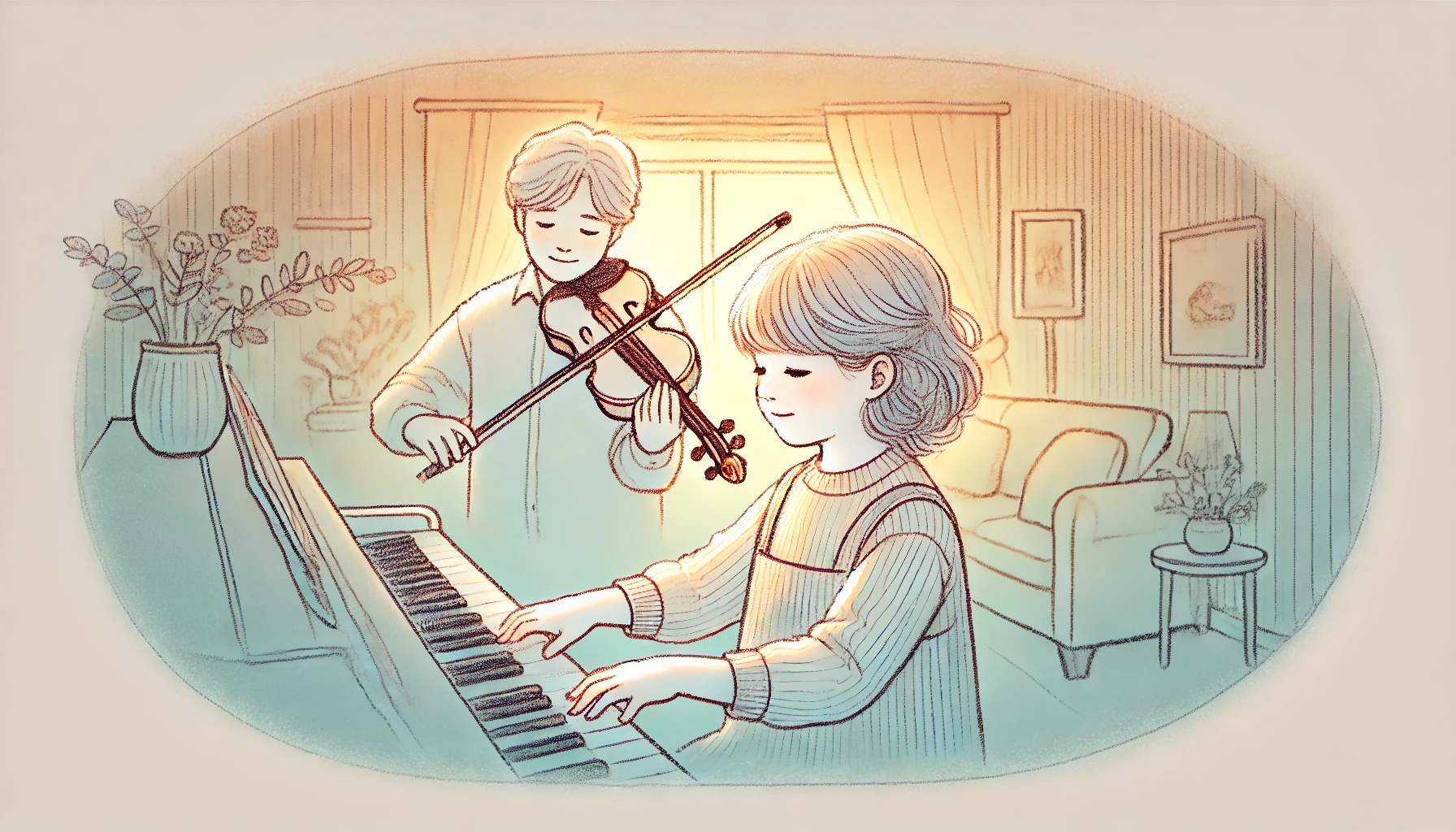
Choosing the right instrument for your child is crucial. Consider their interests, physical abilities, and personality. For example, a child who enjoys rhythm might thrive with drums, while a child who loves melody might prefer the piano or violin.
It’s also important to consider the child’s age and size when selecting an instrument. Younger children might benefit from starting with a smaller, more manageable instrument, such as a recorder or ukulele, before moving on to more complex instruments.
Integrating Music Into Daily Life
Incorporate music into your child’s daily routine by playing different genres of music at home, encouraging them to sing along, or using music to accompany daily activities. This not only makes music a natural part of their life but also exposes them to a variety of musical styles and traditions, broadening their appreciation and understanding of different cultures and eras. You can also use music as a background for other activities, such as homework or reading, to create a calming and focused environment.
Encouraging Participation in Music Programs
Look for local music programs or classes that cater specifically to young children. Community centers, music schools, and even some public schools offer group lessons that are both educational and fun. Participating in group activities like choir, orchestra, or band can provide your child with a sense of community and belonging, as well as the opportunity to develop social skills in a collaborative environment.
Supporting Practice and Progress
Consistent practice is key to mastering any skill, and music is no exception. Set aside a specific time each day for practice, and encourage your child to stick to this routine. However, it’s also important to ensure that practice remains enjoyable and not a source of stress. Praise their efforts, celebrate their progress, and help them set achievable goals to stay motivated.
Using Technology
There are numerous apps and online platforms designed to make music learning fun and accessible for children. From interactive tutorials to virtual instruments, these tools can provide a modern twist to traditional music education and keep your child engaged. Technology can also be a great way to supplement formal lessons and offer new challenges that align with your child’s interests.
Conclusion
Incorporating music education into the lives of gifted children can be a game-changer. From enhancing cognitive skills to fostering emotional intelligence and social development, music offers a holistic approach to nurturing the talents and potential of gifted kids. The benefits of early music education extend beyond childhood, laying a foundation for lifelong learning, creativity, and personal growth.
As parents and educators, it’s essential to recognize the power of music as more than just an extracurricular activity. It’s a vital tool that can help shape a well-rounded, emotionally intelligent, and academically successful individual. By embracing music education, we can provide gifted children with the tools they need to not only excel in their studies but also thrive in their personal and professional lives.
So, whether it’s enrolling in a local music class, encouraging daily practice at home, or simply exposing your child to a variety of musical genres, take that step today. Introduce your gifted child to the transformative world of music, and watch as they discover a new dimension of their abilities, passions, and potential. Remember, the journey of learning is endless, and with music as a companion, it can also be incredibly joyful and fulfilling.