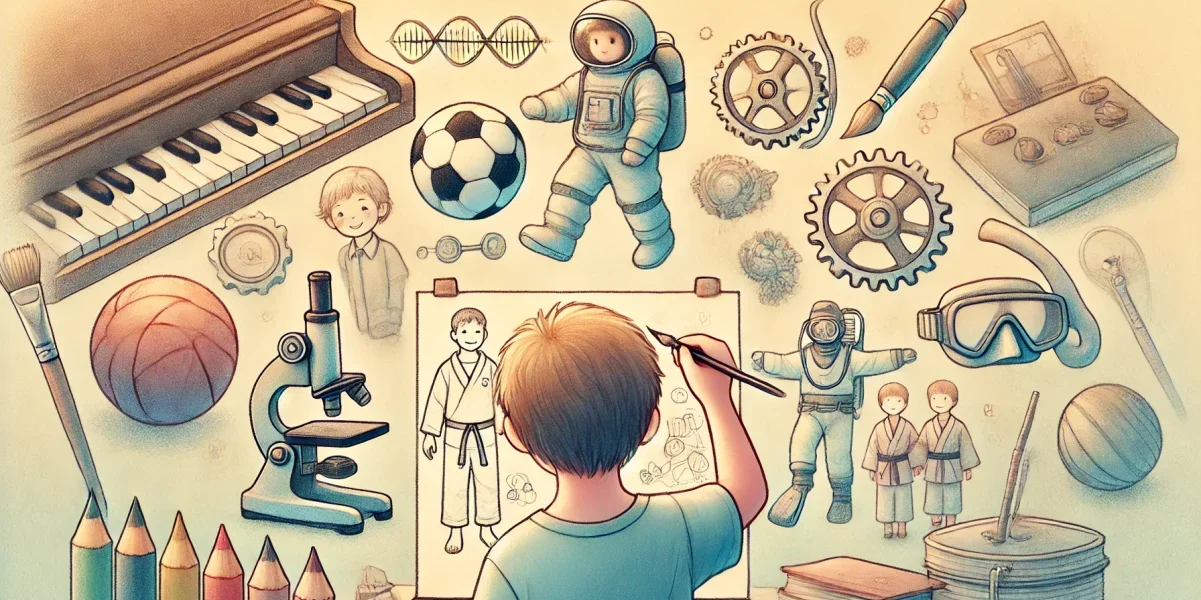
The Surprising Benefits of Extracurricular Activities
When we think of gifted kids, our minds often jump to exceptional academic abilities and advanced cognitive skills. But raising a well-rounded gifted child involves more than just honing their intellectual talents. Did you know that extracurricular activities play a pivotal role in their overall development? From fostering social skills to enhancing emotional intelligence, these activities provide an avenue for gifted kids to explore interests beyond the classroom. Let’s dive into the world of extracurriculars and uncover how they can shape the lives of gifted children, making them not just smart but also socially adept, emotionally resilient, and creatively inspired!
Understanding the Unique Needs of Gifted Kids
Raising a gifted child is a unique journey, often filled with both exhilarating highs and challenging moments. Gifted children are typically characterized by advanced cognitive abilities, exceptional creativity, and intense curiosity. They often show an unusual capacity for complex thinking and problem-solving from a young age. However, these intellectual strengths can come with emotional and social challenges that are not always apparent.
Gifted kids can experience heightened sensitivity, perfectionism, and a strong sense of justice, which may make navigating social environments more difficult. They might feel out of place in traditional educational settings where their needs are not fully met, either academically or emotionally. Their advanced abilities often lead to a mismatch with peers, resulting in feelings of isolation or frustration. Thus, understanding these unique needs is crucial to providing the right support and fostering their holistic development.
Extracurricular activities, when chosen carefully, can offer a safe and stimulating environment for gifted kids to explore their interests, develop social skills, and manage their emotional world. These activities can serve as a bridge, connecting their intellectual prowess with essential life skills.
Benefits of Extracurricular Activities for Gifted Kids
Engaging in extracurricular activities can significantly benefit gifted children by catering to their unique developmental needs beyond the academic realm. Here are some key advantages:
- Enhancing Social Skills and Teamwork Abilities: Many gifted children struggle with social interactions due to a lack of peer group alignment in traditional settings. Extracurricular activities, such as sports or drama clubs, provide opportunities to interact with like-minded peers, fostering a sense of belonging and improving teamwork skills.
- Opportunities for Creative Expression and Intellectual Exploration: Activities like music, art, and creative writing offer gifted children outlets to express themselves creatively and explore their intellectual passions. This is especially important for those whose creative abilities may not be fully nurtured in a conventional classroom.
- Building Resilience, Patience, and a Sense of Discipline: Participating in structured extracurricular activities, such as sports or debate clubs, helps gifted children learn the value of persistence, patience, and discipline. They experience both success and failure in a controlled environment, which is vital for developing resilience.
- Broadening Interests Beyond Academics: While academics often dominate the lives of gifted kids, extracurricular activities encourage them to develop other interests and hobbies, leading to a more balanced, well-rounded personality.
These benefits highlight the importance of extracurricular activities in helping gifted children grow emotionally, socially, and creatively, offering them the tools they need to navigate the complexities of life.
Types of Extracurricular Activities Suited for Gifted Kids
Not all extracurricular activities are created equal, and some are better suited to the unique needs of gifted children than others. Here’s a look at different types of activities and how they can contribute to a gifted child’s development:
- Creative Arts (Music, Drama, Writing): Creative arts provide a vital outlet for emotional expression and creative thinking. Gifted children often have vivid imaginations and strong emotional reactions. Activities like music, drama, and writing allow them to channel these emotions constructively and enhance their creative thinking abilities.
- STEM Clubs and Competitions: For those with a strong aptitude for science, technology, engineering, and math, STEM clubs and competitions provide the perfect setting for intellectual exploration and innovation. These activities foster critical thinking, problem-solving skills, and innovative thinking.
- Sports and Physical Activities: Engaging in physical activities is essential for the holistic development of gifted kids. Sports help improve physical health, foster teamwork and leadership skills, and provide a necessary break from intellectual pursuits.
- Community Service and Volunteering: Activities that involve helping others, such as community service and volunteering, are excellent for developing empathy, social responsibility, and a broader worldview. These experiences help gifted children understand and appreciate diverse perspectives and the value of contributing to society.
Each of these activities can play a significant role in nurturing different aspects of a gifted child’s personality, encouraging a balanced and well-rounded development.
How to Choose the Right Extracurricular Activities for Your Gifted Child
Selecting the right extracurricular activities for a gifted child requires careful consideration of their interests, strengths, and personality. Here are some tips to help parents make informed decisions:
- Assess Your Child’s Interests and Strengths: Start by observing your child’s natural inclinations and strengths. Do they enjoy creative activities, like drawing or playing an instrument? Or are they more inclined towards logical problem-solving, as seen in math and science? Understanding these preferences can guide you in choosing activities that they will enjoy and benefit from.
- Balance Academics and Extracurricular Commitments: It’s essential to strike a balance between academic responsibilities and extracurricular activities. Overloading your child with too many activities can lead to burnout and stress. Choose a few activities that align with their interests and allow enough time for rest and relaxation.
- Encourage Exploration Without Overwhelm: Encourage your child to try different activities to discover their passions, but be mindful not to overwhelm them. It’s important to create an environment where they feel free to explore, make mistakes, and learn from their experiences.
- Involve Your Child in Decision-Making: Include your child in the decision-making process when selecting activities. This not only empowers them but also ensures they are genuinely interested and committed to the activities they choose.
Choosing the right extracurricular activities is about finding a balance that allows for growth without compromising well-being. It’s a collaborative process that involves understanding, communication, and flexibility.
Challenges of Extracurricular Involvement for Gifted Kids
While extracurricular activities offer numerous benefits, there are also challenges that parents and gifted children may face:
- Risk of Overcommitment and Burnout: Gifted children often have a wide range of interests and a natural enthusiasm for learning, which can lead to overcommitment. Parents should monitor their child’s schedule to prevent burnout and ensure they have sufficient downtime.
- Navigating Social Dynamics and Peer Relationships: Gifted kids might find it challenging to navigate social dynamics, especially in competitive extracurricular environments. They may face difficulties relating to peers or managing interpersonal conflicts. Parents can help by providing guidance on social skills and encouraging empathy.
- Managing Expectations and Maintaining Balance with Academic Responsibilities: Balancing extracurricular activities with academic demands can be challenging for gifted children, who may feel pressure to excel in all areas. It’s crucial to manage expectations and prioritize activities that promote overall well-being rather than just achievement.
Understanding these challenges can help parents and educators provide better support and create an environment conducive to healthy development.
Best Practices for Parents and Educators
To support gifted kids in their extracurricular endeavors, parents and educators can adopt the following strategies:
- Foster a Healthy Attitude Toward Competition and Failure: Encourage children to view competition as an opportunity for growth rather than a measure of self-worth. Teach them that failure is a natural part of the learning process and an opportunity to develop resilience.
- Encourage Open Communication: Maintain open lines of communication with your child about their experiences and feelings regarding their extracurricular activities. This helps them feel supported and allows you to identify any issues early on.
- Create a Supportive Environment: Provide a supportive environment at home and in school where gifted children feel safe to explore their interests and express themselves. Collaborate with educators to ensure consistency in support across different settings.
By implementing these best practices, parents and educators can help gifted children thrive in their extracurricular activities, fostering both personal and academic growth.
Case Studies and Success Stories
Real-life examples can provide valuable insights into how extracurricular activities have positively impacted the lives of gifted kids:
- Case Study 1: The Budding Scientist: Emma, a 10-year-old with a keen interest in science, joined a local STEM club. Through hands-on experiments and competitions, she developed not only her scientific skills but also her ability to work in a team and communicate effectively. Her parents noticed a significant improvement in her social skills and self-confidence.
- Case Study 2: The Artistic Performer: Michael, an 8-year-old with a passion for the arts, struggled with shyness and social anxiety. Enrolling in a drama club allowed him to express himself creatively and gain confidence in public speaking. This experience translated into better classroom participation and more robust peer relationships.
These stories illustrate the transformative power of extracurricular activities in nurturing well-rounded development in gifted children, helping them to grow beyond their academic abilities.
Conclusion: The Path to Developing Well-rounded Gifted Kids
Extracurricular activities are more than just a way to pass the time—they are essential in molding gifted kids into well-rounded individuals. By participating in diverse activities, gifted children can develop critical social skills, emotional resilience, and a broader perspective on life. As parents and educators, it’s crucial to recognize the importance of these activities and guide our gifted kids in exploring their passions beyond academics. So, let’s take the first step today in creating a balanced, enriching environment that supports the growth of our gifted children in every aspect of their lives!
By integrating these insights and actionable tips into your approach to parenting or teaching, you can play a pivotal role in helping gifted children flourish in all aspects of their lives. Encourage a thoughtful discussion about the best activities for nurturing gifted children and support them in their journey toward becoming well-rounded individuals.