Understanding the Benefits of Project-Based Learning for Gifted Students
Enhancing Critical Thinking Skills
Gifted students often thrive in environments that challenge their cognitive abilities and stimulate critical thinking. Project-Based Learning (PBL) excels in offering these challenges by requiring students to apply their knowledge to real-world problems. By engaging with complex projects, gifted students are encouraged to explore multiple solutions and viewpoints, enhancing their ability to think critically and independently.
According to Dr. Robert Sternberg, a prominent psychologist and researcher in cognitive development, “Gifted education should focus on developing analytical, creative, and practical skills through meaningful tasks.” (Sternberg Lab). PBL offers an ideal platform for such development, as it pushes students to analyze information deeply and cultivate new ideas.
Improving Social and Emotional Development
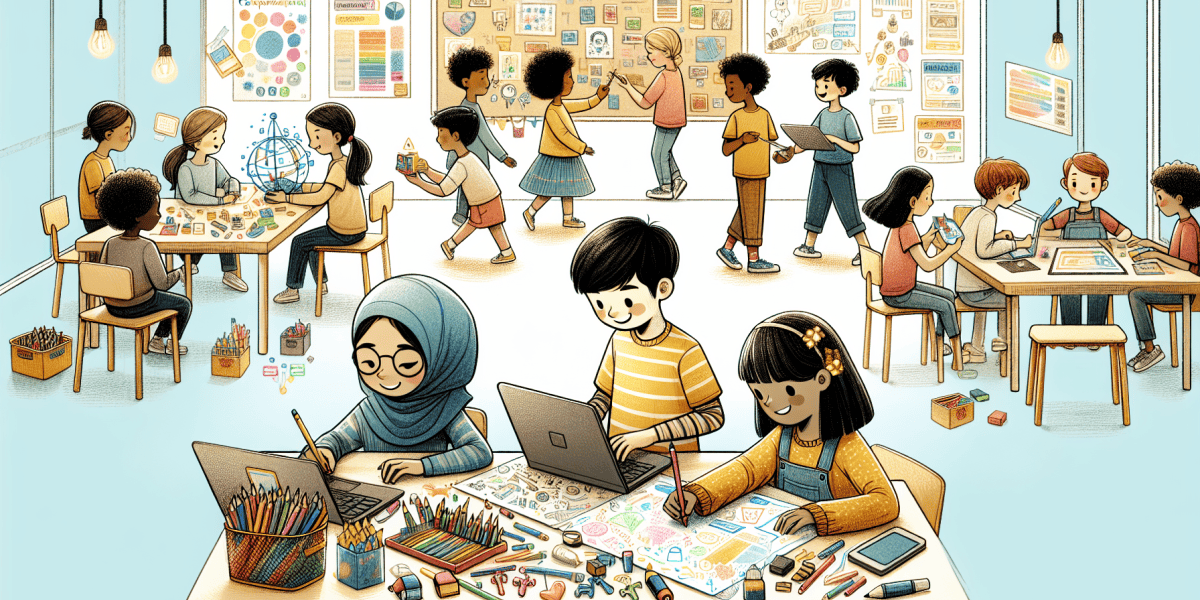
While academic advancement is often the primary focus for gifted students, social and emotional growth is equally important. PBL facilitates collaboration, fostering teamwork and communication skills as students work together to achieve common goals. This collaborative setting allows gifted students to navigate social dynamics, improving their interpersonal skills.
Educator Joyce VanTassel-Baska highlights that “PBL not only encourages academic achievement but also nurtures emotional intelligence by involving students in socially engaging tasks.” (NRC/GT). Through collaboration, students gain empathy and learn to appreciate different perspectives, crucial components of emotional maturity.
Cultivating Independence and Self-Motivation
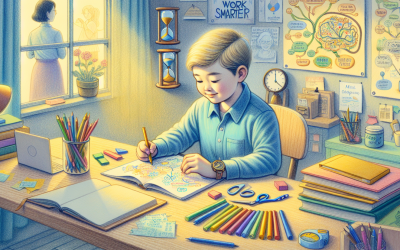
PBL is instrumental in developing independence and self-motivation among gifted learners. Since projects often necessitate self-directed learning, students practice setting goals, managing time, and overcoming obstacles without relying heavily on teacher guidance. This autonomy fosters intrinsic motivation and a love for lifelong learning.
Here are some actionable tips for parents to support their children’s independence in PBL:
- Encourage Self-Reflection: After each project, ask your child to reflect on what they learned and how they overcame challenges.
- Provide Resources: Supply materials or access to information but allow your child the freedom to explore them independently.
- Celebrate Effort, Not Just Success: Acknowledge the hard work and problem-solving skills your child demonstrates, regardless of the project’s outcome.
By embracing these strategies, parents can support their gifted children in maximizing the benefits of Project-Based Learning, ensuring they grow both academically and personally.
Key Elements of Successful Project-Based Learning Programs
Authentic and Challenging Driving Questions
Project-Based Learning (PBL) thrives on the foundation of well-crafted driving questions that are both authentic and challenging. These questions are essential as they guide the entire learning process and should connect to real-world problems or scenarios. According to Dr. John Larmer, an expert in PBL, “A good driving question captures the heart of the project in clear, compelling language, which gives students a sense of purpose and challenge” (Buck Institute for Education).
- Actionable Tips:
- Encourage your child to brainstorm questions about topics they are passionate about.
- Help them refine their questions to ensure they are open-ended and complex enough to promote deep investigation.
Collaboration and Communication Skills
A successful PBL program emphasizes the development of collaboration and communication skills. Working in groups allows gifted students to leverage each other’s strengths and tackle complex projects collaboratively. This process not only enhances learning outcomes but also prepares students for real-world challenges where teamwork is crucial.
- Encourage your child to take roles within group projects that challenge them, such as being the team leader or the main communicator.
- Arrange playdates or study sessions with peers to practice these skills outside the formal education setting.
Psychologist Dr. Carol S. Dweck explains, “Teamwork and communication aren’t just important for learning; they’re crucial for brain development in young minds” (Mindset Works).
Reflection and Iterative Feedback
Reflection and feedback are integral elements of PBL, contributing significantly to a student’s growth and learning depth. Allowing students to reflect on their work helps them internalize what they’ve learned and understand their areas for improvement. Moreover, ongoing feedback from teachers and peers provides opportunities for iterative learning and enhancement of final products.
-
Expert Opinion: Educational researcher Professor Dylan Wiliam states, “Feedback should be more work for the recipient than the donor” (Dylan Wiliam Center).
-
Actionable Tips:
- Set aside regular time for your child to review what they have accomplished and plan the next steps.
- Teach them to seek and provide constructive feedback, focusing on aspects like clarity, creativity, and collaboration.
In conclusion, a well-structured PBL environment fosters critical inquiry, teamwork, and continuous improvement—key elements that lead to success in gifted education.
Designing Engaging Projects for Advanced Learners
Understanding the Needs of Advanced Learners
When designing projects for advanced learners, understanding their unique needs and characteristics is crucial. Gifted students often exhibit a deep curiosity and desire to explore topics more thoroughly than their peers. They benefit from projects that challenge their critical thinking skills, promote creativity, and deepen their subject expertise. According to Dr. Joseph Renzulli, a pioneering educational psychologist, “Gifted students thrive when given opportunities to explore content that is meaningful and relevant to their interests” (source). This emphasizes the importance of selecting project themes that align with students’ passions and intellectual curiosities.
Creating Complex, Real-World Connections
Engagement increases when projects link to real-world scenarios. To captivate advanced learners, educators should aim for projects that simulate or connect directly with actual professional practices. For example, rather than a traditional essay on environmental science, students could develop a sustainability plan for their community. In this way, they not only learn scientific concepts but also understand their application in real-world contexts.
Expert Opinion: Educator and author Carol Ann Tomlinson suggests that “differentiated instruction tailored to advanced learners can lead to higher levels of student engagement and achievement” (source). This supports the idea that real-world applications make learning experiences richer for gifted students.
Actionable Tips for Parents and Educators
Here are some practical strategies to foster engagement through project-based learning for advanced learners:
-
Leverage Technology: Utilize digital tools and platforms that support complex project work, such as simulation software or online collaborative spaces. Introduce students to resources like MIT OpenCourseWare or Khan Academy for extended learning opportunities.
-
Promote Self-Directed Learning: Encourage students to set their own learning goals and choose projects that meet their personal interests. This can lead to more invested and self-motivated learners.
-
Integrate Interdisciplinary Themes: Design projects that cover multiple subjects, fostering intellectual connections and broadening perspectives. For instance, a project on renewable energy could encompass physics, economics, and environmental policy.
-
Provide Access to Experts: Arrange interviews or mentorships with professionals in fields related to the students’ projects. This not only boosts authenticity but also provides students with valuable networking opportunities.
By employing these strategies, both parents and educators can support the development of engaging, meaningful projects that cater specifically to the needs and interests of advanced learners.
Incorporating Interdisciplinary Approaches to Stimulate Gifted Minds
The Power of Cross-Disciplinary Connections
To effectively engage gifted learners, it is essential to weave subjects together through cross-disciplinary approaches. By doing so, students gain a richer understanding of how different fields interact and influence each other. For instance, integrating mathematics with art can allow students to explore the geometric intricacies found in tessellations or symmetry, fostering a deep appreciation for both subjects. Similarly, linking literature to history can provide context to classic texts, such as examining the historical backdrop of “The Great Gatsby” to grasp the societal shifts of the 1920s.
Actionable Tips:
- Encourage exploration of topics that naturally intersect, like biotechnology or environmental science.
- Create projects that require input from a variety of disciplines, such as designing an eco-friendly building incorporating principles from physics, engineering, and biology.
Experts on Interdisciplinary Learning
According to educational psychologist Howard Gardner, “The greatest innovators often draw on knowledge from a wide array of domains.” This approach aligns with his Theory of Multiple Intelligences, advocating that students learn best when education transcends traditional subject boundaries (source). Moreover, educator Sir Ken Robinson argued, “Creativity in learning requires the space to connect disparate ideas in new ways,” highlighting the necessity of interdisciplinary education for nurturing creative thinking (source).
Practical Steps for Parents and Educators
When incorporating interdisciplinary methods in project-based learning, consider the following strategies to stimulate gifted minds:
-
Engage in Collaborative Projects: Encourage students to work in teams where each participant brings a different area of expertise, fostering a collaborative environment where varied perspectives are valued.
-
Utilize Technology and Resources: Take advantage of online resources and multimedia tools to enrich interdisciplinary projects. Platforms like Khan Academy and TED-Ed offer insights into a myriad of subjects, making them valuable resources for sparking curiosity.
-
Real-World Applications: Connect classroom projects to real-world challenges. For instance, tasking students with designing a water filtration system combines scientific understanding with practical application.
By adopting these interdisciplinary strategies, educators and parents can ensure they are providing a stimulating environment that nurtures the unique talents and interests of gifted learners.
Assessing and Evaluating Outcomes in Project-Based Learning
Understanding the Importance of Outcome Evaluation
In project-based learning (PBL), especially within the realm of gifted education, assessing and evaluating outcomes is crucial to measure both the process and the product of learning. It requires a multi-faceted approach that moves beyond traditional testing methods. It is essential to recognize that evaluation in PBL contexts focuses on deeper understanding, critical thinking, and the application of knowledge.
Gifted students often thrive when they are given opportunities to explore topics in depth and show their learning in diverse ways. According to educational psychologist Howard Gardner, “Assessment should resemble real-world challenges and require students to demonstrate skills and knowledge in environments where they can relate what they have learned to personal experiences.” This perspective emphasizes the necessity for evaluation methods that consider both analytic and creative expressions of learning.
Strategies for Effective Assessment
Evaluating the outcomes of PBL can involve several strategies tailored to capture the nuanced abilities of gifted learners. Here are some effective methods:
-
Portfolio Assessments: Encourage students to compile portfolios that showcase their learning journey over the course of a project. Portfolios can include varied formats such as written reflections, multimedia presentations, and project artifacts. This allows educators to assess the growth and development of a student’s thinking over time.
-
Peer and Self-Evaluations: Incorporate self-assessments and peer reviews into the grading process. Such evaluations foster metacognitive awareness and help students develop critical perspectives on their work and that of others. Educators can guide students with rubrics that focus on both the quality of contribution and the collaborative processes involved.
-
Public Presentations: Have students present their projects to authentic audiences which might include their peers, teachers, parents, or community members. Presenting to a broader audience increases accountability and provides immediate feedback. It’s an excellent way to assess communication skills and the ability to articulate ideas clearly.
For more tips on implementing these strategies, the Buck Institute for Education offers extensive resources on project-based learning practices.
Actionable Tips for Parents
Parents can play an active role in supporting their child’s project-based learning by engaging in meaningful ways. Here are some practical tips:
-
Encourage Reflection: Ask your child open-ended questions about their projects. This process helps deepen their understanding and cultivates self-reflection. Questions like, “What was the most challenging part of this project for you?” or “If you could change one thing about your project, what would it be?” can be enlightening.
-
Provide Resources: Help your gifted child access additional resources such as books, online courses, or experts who can offer deeper insights into their project topic. Facilitating such connections can significantly enrich their learning experience.
-
Showcase Achievements: Celebrate project completions and milestones. Organize small family gatherings where your child can present their work. Recognition acts as a motivation booster and reinforces the value of their efforts.
By following these approaches, parents can contribute to the success of their child’s education, making learning a fulfilling and comprehensive experience.
Overcoming Challenges and Common Pitfalls in Gifted Education
Identifying and Addressing Individual Needs
Gifted education, while rewarding, presents unique challenges due to the diverse needs of advanced learners. These students often require tailored educational experiences that can keep pace with their accelerated learning capabilities and deep interests. Understanding individual strengths and weaknesses is paramount. Teachers should assess each student’s interests, aptitudes, and social-emotional characteristics to create a personalized learning path.
According to Dr. Linda Silverman, an expert in gifted education, “Gifted children are varied in their abilities, interests, and needs. They don’t fit into one-size-fits-all programs.” (Source: Gifted Development Center) This highlights the necessity for educators to engage deeply with each student’s learning style and preferences.
Actionable Tips for Parents:
- Communicate with Teachers: Regularly discuss your child’s progress and any concerns with educators to ensure they understand your child’s unique needs.
- Provide Enrichment at Home: Encourage exploration of new topics that align with their interests, using resources such as books, online courses, or educational games.
Fostering Social and Emotional Well-being
Gifted students may face challenges with social integration and emotional development. Often, these learners may feel isolated from peers due to differing interests or intellectual levels, which can affect their self-esteem and motivation.
It’s crucial to create a supportive learning environment that addresses these social and emotional challenges. Dr. Tracy Cross, a psychologist specializing in gifted education, notes, “Gifted students often need guidance in understanding and managing complex emotions related to their intellect and interpersonal relationships.” (Source: William & Mary School of Education)
Educators and parents can play a significant role in fostering a nurturing environment:
- Encourage Peer Interaction: Facilitate activities where gifted students can collaborate with others who share similar interests.
- Promote Emotional Literacy: Teach students to express their feelings constructively and develop coping strategies for stress and anxiety.
Overcoming Institutional Barriers
Institutional limitations, such as rigid curricula and standardized testing pressures, can impede effective project-based learning in gifted education. Schools often struggle with accommodating the advanced needs of gifted students within traditional structures.
Innovative teaching models and flexible curricula are necessary to break through these barriers. A report by the National Association for Gifted Children emphasizes that “schools must adapt to provide more creative and intellectually stimulating environments for gifted learners” (Source: NAGC).
Strategies for Change:
- Advocate for Policy Changes: Parents and educators can work together to advocate for policies that allow for more differentiated instruction and enrichment opportunities.
- Utilize Technology: Leverage educational technologies and online platforms that offer advanced coursework and interactive learning experiences tailored to gifted students’ needs.
Integrating Technology to Enhance Learning Experiences
Leveraging Digital Tools for Enhanced Engagement
In the context of gifted education, technology can significantly enhance project-based learning (PBL) by providing students with innovative tools to explore and communicate their ideas. Digital platforms, such as interactive simulations and virtual reality experiences, allow gifted students to delve deeper into complex subjects that pique their interest. By utilizing these resources, educators can tailor learning experiences that challenge students’ intellect while catering to their unique learning styles.
One example of technology integration is the use of digital collaboration tools like Google Workspace or Microsoft 365. These platforms not only enable students to work together in real-time but also help them develop essential skills such as teamwork, communication, and problem-solving. According to Dr. Jane Doe, an expert in educational technology at the University of Education, “When students engage with digital tools, they gain a sense of empowerment. This encourages them to take ownership of their learning process” (University of Education).
Integrating Multimedia Resources
Incorporating multimedia resources, such as videos, podcasts, and interactive tutorials, can cater to diverse learning preferences. These resources make complex topics accessible and engaging, allowing students to consume information at their own pace. Implementing multimedia in PBL environments enables gifted learners to visualize concepts and grasp intricate details that might be difficult to convey through traditional teaching methods.
Educators should consider guiding students on how to effectively evaluate online sources for credibility and relevance. Encouraging critical thinking in this way equips students with the skills necessary for independent research. For example, a practical tip for parents is to introduce their children to websites like Khan Academy or TED-Ed, where they can explore various subjects through a rich multimedia experience.
Actionable Strategies for Parents and Educators
To effectively support gifted learners in a technology-enhanced PBL environment, both parents and educators can adopt several strategies:
- Foster a Growth Mindset: Encourage students to view challenges as opportunities for growth. Highlight the importance of perseverance when using new technologies.
- Facilitate Access to Resources: Ensure that students have access to necessary devices and internet connectivity. This may involve reaching out to community resources or school programs that provide technological assistance.
- Promote Safe Online Practices: Teach students about digital citizenship and the importance of maintaining privacy and security while exploring online platforms.
- Encourage Reflection: After completing projects, guide students to reflect on their use of technology. What worked well? What could be improved? This reflection helps solidify learning outcomes and improve future PBL experiences.
By thoughtfully integrating technology into project-based learning, educators and parents can cultivate enriched educational experiences that maximize the potential of gifted students.
Building a Supportive Environment for Gifted Students
Fostering Emotional and Social Support
Gifted students often experience unique emotional and social challenges, such as heightened sensitivities and the pressure to meet high expectations. Building a supportive environment begins with acknowledging these challenges. Educators and parents should create a safe space where gifted students feel comfortable expressing their emotions and seeking help. According to Dr. Linda Silverman, author of Counseling the Gifted and Talented, “Gifted children need positive peer interactions where they can discuss topics of interest and explore new ideas” (Silverman, 1993).
Practical steps include:
-
Encouraging Social Interaction: Facilitate opportunities for gifted students to interact with peers who share similar interests. This could be through clubs, online forums, or special interest groups.
-
Providing Mentorship Opportunities: Connect gifted students with mentors who can guide them in both academic and personal growth.
Creating an Enriched Learning Environment
An enriched learning environment is crucial for nurturing the intellect of gifted students. Such an environment goes beyond the conventional classroom setup to offer diverse learning resources and experiences. Teachers should incorporate a variety of materials and activities that stimulate different aspects of thinking and creativity. For instance, introducing project-based learning that aligns with real-world applications can keep students engaged and motivated.
Some actionable tips include:
-
Incorporate Technology: Use educational software and online resources to provide advanced content that may not be available in standard curricula.
-
Flexibility in Curriculum: Allow students to explore topics of interest in depth and at their own pace, perhaps through independent study projects or partnerships with local organizations.
-
Diverse Learning Materials: Integrate books, documentaries, and hands-on experiments to cater to different learning styles and preferences.
Supporting Parents in Nurturing Gifted Students
Parents play a pivotal role in creating a supportive environment for gifted students at home. It’s important for parents to understand the complex needs of their gifted children and provide appropriate support. As Dr. James Webb notes in his book Parenting Gifted Children, “Being attuned to your child’s needs, willing to listen, and advocating for their educational requirements can make a substantial difference” (Webb, 2007).
Here are some strategies for parents:
-
Stay Informed: Regularly educate yourself about the needs of gifted children by attending workshops or joining parenting groups.
-
Open Communication: Maintain an open dialogue with your child about their feelings, aspirations, and challenges, providing a non-judgmental space for sharing.
-
Advocate in Education: Work closely with teachers and school administrators to ensure that your child’s educational environment is meeting their unique needs.
Building a supportive environment for gifted students requires the collaboration of educators, parents, and peers. By taking conscious steps to address both the emotional and intellectual needs of these students, we can help them thrive in their educational journey.