Ah, the joys and challenges of raising a gifted child! While their curiosity and intelligence can be awe-inspiring, it’s not always a walk in the park—especially when behavioral issues come into play. Did you know that gifted children are often twice exceptional, meaning they might have both advanced abilities and emotional or learning challenges? In this guide, we’ll dive into practical strategies and expert advice on supporting these bright young minds through their unique behavioral challenges. Let’s explore together!
—
Understanding the Dual Nature of Giftedness
Gifted children are often described as “twice exceptional,” a term that captures the complexity of their experiences. This can mean excelling in certain areas while facing challenges in others, particularly behavioral or emotional. Understanding this concept can be key to helping them navigate their world effectively.
- Defining “Twice Exceptional”: Twice-exceptional children possess high intellectual capabilities alongside significant challenges, such as ADHD, dyslexia, or emotional issues. These dual characteristics can often lead to conflicting behaviors. For instance, a child might excel in mathematics but struggle with self-regulation or social interactions.
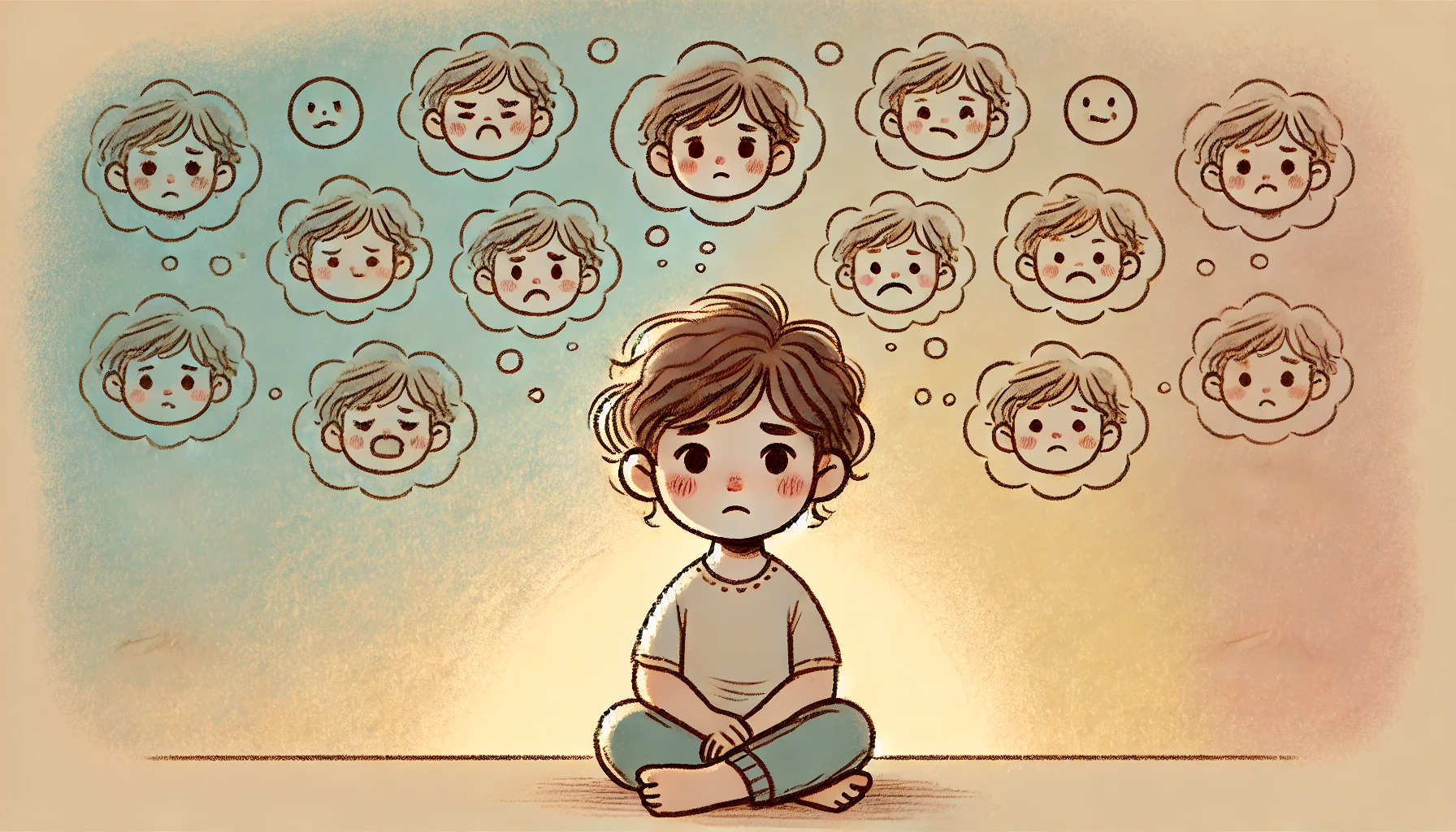
- Common Behavioral Challenges: Many gifted children face challenges such as perfectionism, heightened sensitivity, and asynchronous development, where their emotional maturity doesn’t match their intellectual prowess. This can sometimes result in frustration or isolation, leading to behavioral outbursts or withdrawal.
- The Psychological Profile: Gifted children may exhibit intense emotions, unusual concern for fairness, or a keen sense of justice. According to educational psychologist Dr. Linda Silverman, these traits can often lead to feelings of being misunderstood, which can compound any existing behavioral issues.
Understanding the nuanced nature of giftedness helps in formulating strategies that cater to both their strengths and challenges.
Signs of Behavioral Issues in Gifted Children
Identifying behavioral issues in gifted children can be tricky, as their behaviors might be misinterpreted due to their advanced abilities.
- Signs and Symptoms: Look for patterns that deviate from typical behavior. These could include frequent mood swings, extreme sensitivity to criticism, or difficulty adapting to change. It’s also important to distinguish between a bad day and a consistent pattern of disruptive behavior.
- Gifted vs. Typical Behavior: While all children exhibit behavioral challenges at times, gifted children might exhibit them more intensely or frequently. Emotional intensity and high sensitivity can manifest as anger or anxiety, often leading parents to question whether what they see is part of the child’s natural giftedness or a signal for underlying issues.
- Emotional Intensity: Gifted children experience emotions deeply and may have a low tolerance for frustration. They often need help navigating these intense feelings, which, if left unaddressed, can exacerbate behavioral issues.
Being aware of these signs can help parents intervene early and provide the appropriate support system for their child.
—
Effective Communication Strategies
Communication is a cornerstone in building a trusting relationship with your gifted child and helping them manage behavioral issues.
- Speak with Empathy and Understanding: Approach conversations with empathy. Validating their feelings, even if you don’t always agree, can help your child feel understood. Phrases like “I understand this is difficult for you” can go a long way in calming an upset child.
- Techniques for Active Listening: Give your child your full attention and acknowledge their perspective. Paraphrasing what they’ve shared and asking open-ended questions can encourage them to express themselves more fully.
- Build a Trust-Based Relationship: Consistent, open communication fosters trust. Share your own experiences when appropriate and assure them that they’re not alone in managing their emotions.
As Dr. James Webb, a prominent psychologist specializing in gifted children, notes, building a foundation of trust through effective communication can significantly impact a child’s emotional well-being.
—
Creating a Supportive Learning Environment
A nurturing learning environment is pivotal for the overall development of gifted children, particularly in managing behavioral issues.
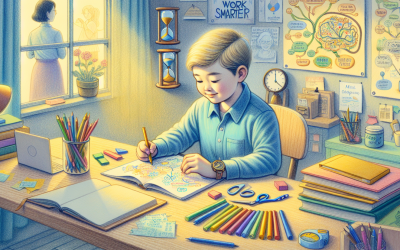
- Tailoring Educational Content: Customizing learning materials to challenge and engage your child can prevent boredom and minimize behavioral disruptions. Consider exploring subjects that align with their interests and provide opportunities for deeper inquiry.
- Flexible Learning Environments: Encourage environments where structured flexibility is key. Allowing children some control over their learning pace and topics can foster independence and satisfaction.
- Challenging yet Attainable Goals: Setting realistic goals that challenge but don’t overwhelm can help maintain motivation and promote a sense of achievement. Use SMART (Specific, Measurable, Achievable, Relevant, Time-bound) goals to guide their learning journey.
Creating a supportive learning atmosphere can help balance their educational needs with their emotional well-being, promoting a positive learning experience.
—
Intervention and Professional Support Options
Knowing when and how to seek professional help can make a significant difference in addressing behavioral issues in gifted children.
- When to Seek Help: If behavioral issues persist despite your best efforts, consider consulting educators or psychologists. Persistent patterns that interfere with daily functioning warrant professional evaluation.
- Therapy Options: Various therapies, such as cognitive-behavioral therapy (CBT), can be beneficial. These approaches can help children develop coping mechanisms and improve emotional regulation.
- Collaboration Between Schools and Parents: Establishing a collaborative approach with your child’s school can ensure consistency in support. Share observations and strategies with educators to create a cohesive plan tailored to your child’s needs.
As Dr. Tracy Cross, a leading researcher in gifted education, emphasizes, collaboration and professional support can provide comprehensive care, addressing both academic and emotional facets of gifted children’s lives.
—
Encouraging Emotional and Social Development
Fostering emotional intelligence and social skills is crucial for the holistic development of gifted children.
- Activities and Programs: Encourage participation in extracurricular activities that promote teamwork and empathy. Arts, sports, or clubs that interest them can offer diverse social experiences.
- Balancing Peer Interactions: Facilitate opportunities for your child to interact with peers of different age groups, fostering adaptability and broadened perspectives.
- Addressing Perfectionism and Resilience: Teach your child that mistakes are part of learning. Encourage them to embrace challenges and learn from setbacks, building resilience over time.
Helping gifted children develop emotionally and socially ensures they have a well-rounded support system, essential for both their happiness and success.
—
Parental Self-Care for Better Support
Taking care of yourself is equally important in the journey of supporting your gifted child.
- Importance of Self-Care: Managing a gifted child’s needs can be demanding. Prioritizing your well-being helps maintain the energy and patience required to support them effectively.
- Stress Management Techniques: Engage in activities that relax and rejuvenate you, such as exercise, meditation, or hobbies. Taking breaks when needed will prevent burnout and model healthy self-care practices for your child.
- Community and Support Groups: Connecting with other parents of gifted children can provide support and shared understanding. Online forums and local groups can be invaluable resources for advice and camaraderie.
Remember, taking care of yourself isn’t a luxury—it’s a necessity to be the best parent you can be to your gifted child.
—
Conclusion
Supporting gifted children with behavioral issues requires a delicate balance of patience, understanding, and appropriate interventions. By recognizing their unique needs and offering tailored support, we’re not only helping them flourish but also enriching their lives and ours. Remember, every small step you take makes a difference! Start by implementing one strategy today and see how it transforms your journey with your gifted child. Celebrate the progress, however small, and continue seeking out new ways to grow and support each other. You’re doing an incredible job!
—
By keeping these strategies and insights in mind, you’re equipped to tackle the challenges that come with raising a gifted child. Continue to nurture their potential while balancing their emotional and behavioral needs, fostering a bright future full of possibilities.