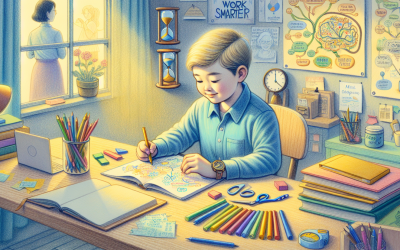
Understanding the Unique Needs of Gifted Learners
Characteristics of Gifted Learners
Gifted learners often demonstrate exceptional levels of intellectual curiosity, creativity, and problem-solving abilities. They typically exhibit accelerated learning capabilities and may absorb information at a much faster pace than their peers. Moreover, many gifted students possess an intense focus in areas of interest, allowing them to delve deeply into subjects they are passionate about.
Dr. Linda Silverman, a renowned psychologist specializing in gifted education, notes, “Gifted children think differently, feel differently, and experience the world differently.” Source. This differentiation not only requires acknowledgment but also catered educational approaches that can challenge and engage these learners effectively.
Social and Emotional Needs
While intellectual capabilities are a notable aspect, it is crucial to address the social and emotional needs of gifted students. These learners may struggle with issues such as perfectionism, social isolation, or pressure to meet high expectations. They might also experience asynchronous development, where their emotional maturity does not match their cognitive abilities.
- Acknowledge their feelings: Understanding and validating the complex emotions experienced by gifted students is imperative.
- Encourage balanced activities: Support participation in both academic pursuits and leisure activities that allow them to relax and socialize.
James T. Webb, Ph.D., in his book “A Parent’s Guide to Gifted Children,” emphasizes that “gifted children need to find peers who share their interests and can discuss ideas on the same level.”
Designing an Engaging Learning Environment
Creating an environment where gifted learners can thrive involves implementing strategies that stimulate their unique abilities while fostering collaboration with peers. Here are a few actionable tips:
- Differentiated Instruction: Tailor learning experiences to meet the diverse needs of gifted students by offering varied content, processes, and products.
- Flexible Grouping: Use flexible grouping strategies in the classroom to allow gifted students to work with peers at similar levels of understanding and to encourage skill-sharing among mixed-ability groups.
- Inquiry-Based Learning: Promote inquiry-based projects that let students explore topics deeply, encouraging a sense of ownership over their learning process.
By understanding and addressing these unique needs, educators and parents can create supportive environments that nurture the full potential of gifted learners.
Creating an Inclusive and Collaborative Classroom Environment
Understanding Diverse Needs
Creating an inclusive and collaborative classroom environment begins with understanding the diverse needs of gifted students. Gifted students often have unique learning profiles, and their intellectual abilities can vary significantly. According to Dr. Linda Silverman, an expert in gifted education, “Gifted children are as diverse as any other group, and their needs must be met through a range of strategies” (Gifted Development Center). Recognizing these diverse needs is crucial for fostering a sense of belonging among all students.
Differentiate instruction by offering a range of activities and assignments. This approach not only addresses varying learning styles but also ensures that each student is both challenged and encouraged. Teachers should employ various instructional methods such as project-based learning, which allows gifted students to explore topics deeply and collaborate effectively with peers who might have different strengths.
Encouraging Open Communication
To nurture a collaborative atmosphere, establishing open lines of communication is vital. Create a classroom culture where students feel comfortable expressing their ideas and opinions without fear of judgment. As noted by educational psychologist Carol Dweck, fostering a growth mindset—where students view challenges as opportunities to grow—can lead to more open and effective communication in the classroom (Mindset Works).
Here are some actionable tips for teachers:
- Use inclusive language: Be mindful of the words you use. Encourage students to respect every voice.
- Facilitate peer feedback sessions: Create opportunities for students to give and receive constructive feedback from classmates.
- Hold regular reflection sessions: Allow students to reflect on their group interactions and suggest improvements.
Building a Supportive Network
A supportive network within the classroom involves both teacher-student and student-student relationships. Building this network requires deliberate effort to ensure all students feel valued and supported. Teachers can establish group norms that promote respect and accountability among students.
Teachers can also foster collaboration by organizing peer mentoring programs. Pairing students with varied strengths can help them learn from one another and build empathy. As Dr. Joseph Renzulli states, “Collaboration among students not only enhances academic achievement but also reinforces social-emotional skills” (Renzulli Learning).
Additionally, parents can support their children’s collaborative skills at home by:
- Encouraging participation in extracurricular group activities such as clubs or team sports.
- Discussing daily school experiences and promoting empathy by asking children how they think their classmates might feel in different situations.
By integrating these strategies, educators can cultivate an environment where gifted students thrive through inclusivity and collaboration.
Leveraging Technology to Enhance Collaborative Learning
Integrating Digital Tools for Enhanced Interaction
In today’s digital age, integrating technology into collaborative learning environments can significantly enhance the interaction and engagement of gifted students. Digital platforms such as Google Workspace and Microsoft Teams allow students to collaborate on projects in real-time, regardless of their physical location. These tools facilitate synchronous communication and provide a dynamic workspace where students can brainstorm, share resources, and edit documents collaboratively.
According to Dr. Karen Rambo-Hernandez, an expert in gifted education at Texas A&M University, “Technology, when used appropriately, can bridge gaps and create opportunities for gifted students to work together in ways that were not possible before” (Texas A&M University).
Utilizing Educational Apps and Software
Educational apps and software are potent resources for fostering collaboration among gifted students. Apps like Khan Academy, Edmodo, and Padlet offer interactive challenges and collaborative spaces where students can test their knowledge and learn from each other. These platforms often include features that support personalized learning paths, which can be especially beneficial for gifted students who may advance through content at different rates.
Actionable Tips for Parents:
- Encourage your child to explore educational apps that promote teamwork.
- Set up regular times for your child to engage with peers via these platforms to complete group assignments or projects.
- Discuss with your child how these tools can assist in achieving their learning goals.
Video Conferencing as a Collaborative Tool
The rise of video conferencing tools like Zoom and Google Meet has transformed how students collaborate, providing a platform for face-to-face interaction without geographical constraints. This is particularly beneficial for gifted students, who may benefit from exposure to diverse perspectives and ideas that come from interacting with peers worldwide. These tools also allow students to conduct virtual study groups, workshops, or competitions, thereby fostering a sense of community and shared purpose.
Educator Susan Winebrenner, author of “Teaching Gifted Kids in Today’s Classroom”, notes, “Video conferencing allows gifted students to connect and collaborate with a global community, expanding their horizons beyond the traditional classroom” (Susan Winebrenner).
By leveraging these technologies, parents and educators can create rich, collaborative experiences that nurture the talents of gifted students and prepare them for future challenges in an increasingly interconnected world.
Implementing Project-Based Learning for Gifted Students
Understanding Project-Based Learning
Project-Based Learning (PBL) is an instructional approach that encourages students to learn by actively engaging in real-world and meaningful projects. This method is particularly effective for gifted students as it allows them to delve deeper into subjects of interest while developing their critical thinking, creativity, and collaboration skills. By allowing students to explore complex issues and ideas, PBL can harness their intrinsic motivation and intellectual curiosity.
According to Dr. Joseph Renzulli, a leading expert in gifted education research, “Gifted children often thrive when they are given opportunities to explore open-ended questions that challenge their intellect and creativity.” You can explore his work further on Renzulli’s website at the University of Connecticut.
Designing Effective Projects
Creating projects that are rich in content and relevance is crucial for engaging gifted students. Here are some key elements to consider when designing PBL experiences:
- Relevance: Ensure the project addresses real-world problems or questions that are relevant to the students’ lives or interests. This helps in maintaining engagement and passion for learning.
- Complexity: Design projects with varying levels of complexity to cater to different abilities within the gifted spectrum. It’s important to provide challenges that stimulate their cognitive capabilities without causing frustration.
- Collaboration: Encourage students to work in teams, fostering a collaborative environment where they can share ideas, problem-solve, and build on each other’s strengths.
- Reflection and Iteration: Allow time for reflection and iteration, enabling students to learn from their successes and failures. This can help them develop resilience and problem-solving skills.
Supporting Gifted Learners at Home
Parents play a crucial role in supporting gifted learners, especially in a PBL environment. Here are some actionable tips for parents:
- Encourage Autonomy: Provide your child with the freedom to choose projects aligned with their interests. This promotes ownership and self-directed learning.
- Facilitate Resources: Supply the necessary materials and resources, such as books, software, or access to online courses that might enrich their project experience.
- Engage in Discussions: Actively engage in discussions about the project. Ask open-ended questions that encourage your child to think critically about their work.
- Connect with Experts: Help your child connect with experts or mentors who can provide insights and guidance related to their project.
By implementing these strategies, parents and educators can create a nurturing environment for gifted students, allowing them to reach their full potential through immersive project-based learning experiences.
Encouraging Peer Mentoring and Cooperative Learning
Fostering Peer Connections
Encouraging peer mentoring among gifted students can be highly beneficial for their social and emotional development. Gifted children often face challenges related to perfectionism and competitiveness. By fostering an environment where they can learn from one another, these students can build valuable skills such as empathy and understanding. According to Dr. Sylvia Rimm, a renowned psychologist, “Peer mentoring helps gifted students realize that asking for help is not a sign of weakness but an opportunity for learning and growth.” More on her insights can be found here.
**Actionable Tips:**
- Encourage Open Communication: Create opportunities for students to express their thoughts and feelings during group activities.
- Highlight Different Strengths: Showcase each student’s unique abilities in team projects, allowing them to mentor peers in areas where they excel.
Implementing Cooperative Learning Strategies
Cooperative learning strategies are effective tools that harness the potential of gifted students by promoting teamwork and collaboration. By working together on tasks, gifted students not only deepen their understanding of the subject matter but also improve their interpersonal skills. Collaborative projects encourage them to appreciate diverse viewpoints and innovative problem-solving approaches.
Educator John Spencer emphasizes, “Project-based learning and cooperative tasks inspire students to work collaboratively towards shared goals, which enhances their collective intelligence.” For more on collaborative strategies, visit John Spencer’s website.
Creating a Supportive Learning Environment
A supportive learning environment is crucial for fostering effective peer mentoring and cooperative learning. Teachers and parents play pivotal roles in cultivating such spaces where gifted students feel safe to take risks and make mistakes. Providing regular feedback and encouraging group reflection sessions can significantly enhance the learning experience.
**Actionable Tips:**
- Set Clear Expectations: Establish ground rules for respectful listening and constructive feedback within groups.
- Promote Positive Interactions: Encourage students to celebrate each other’s successes and learn from setbacks collectively.
- Facilitate Group Reflections: Allow time after cooperative activities for students to reflect on what they learned and how they can improve.
Developing Problem-Solving Skills Through Group Activities
Enhancing Critical Thinking Through Collaborative Challenges
Gifted students thrive when presented with challenges that stretch their critical thinking skills. Group activities offer an ideal setting for these students to engage in problem-solving that requires innovative thinking and cooperative interaction. Dr. Carol Dweck, a renowned psychologist known for her work on the growth mindset, emphasizes that “collaborative activities encourage students to view challenges as opportunities for growth.” source. By tackling complex problems together, students learn to approach obstacles from multiple perspectives, leveraging their diverse strengths.
Actionable Tips:
- Diverse Group Composition: Ensure that groups are composed of students with varied skills and strengths. This diversity encourages students to learn from each other.
- Real-World Problems: Integrate problem-solving activities that focus on real-world issues. This approach helps students understand the practical application of their skills.
- Role Assignments: Assign roles within groups to ensure every student has a responsibility, such as a “researcher,” “presenter,” or “analyst.”
Building Communication Skills While Solving Complex Problems
Effective communication is crucial for successful collaboration, especially for gifted students who may thrive in environments where ideas can be exchanged freely and constructively. When engaging in group activities, it’s important to focus on developing these skills by incorporating structured communication exercises. Dr. Linda Kreger Silverman, an expert in gifted education, notes, “Gifted children often have advanced ideas but must be taught how to communicate these ideas effectively to their peers.” source.
Strategies for Parents and Educators:
- Structured Debates: Encourage students to participate in debates on various topics, fostering respectful discussions and active listening.
- Peer Feedback Sessions: Implement regular sessions where students provide feedback on each other’s contributions, promoting reflective learning and constructive criticism.
- Communication Workshops: Organize workshops that focus on non-verbal communication, public speaking, and active listening to enhance overall communication skills.
Encouraging Innovation Through Team-Based Projects
Gifted students often demonstrate a natural inclination towards innovation and creativity. Group projects can serve as a fertile ground for nurturing these talents, as long as the environment supports risk-taking and imaginative approaches. According to Sir Ken Robinson, a leader in education reform, “Creativity thrives in groups that celebrate originality and support diverse thinking.” source.
Implementation Methods:
- Open-Ended Projects: Design projects with open-ended outcomes, allowing students the freedom to explore various solutions and innovate.
- Brainstorming Sessions: Hold regular brainstorming sessions to nurture a culture of idea-sharing without judgment, which is essential for creative growth.
- Prototype Development: Encourage students to translate their ideas into prototypes or models, providing tangible outcomes for abstract concepts.