Understanding Social Isolation in Gifted Children
Identifying the Roots of Social Isolation
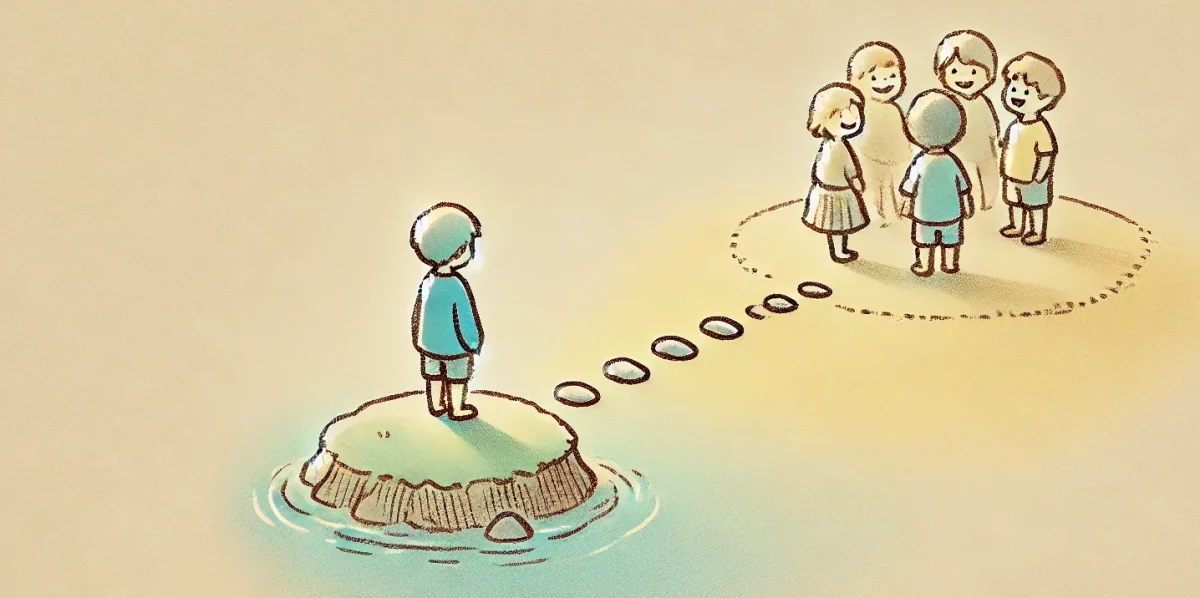
Understanding the underlying causes of social isolation in gifted children is crucial for parents and educators. Gifted children often experience asynchronous development, where their intellectual abilities outpace their emotional and social skills. This disparity can lead to feelings of being misunderstood or out of place among peers. According to Dr. Susannah Wood, an expert in the psychology of gifted children, “Gifted kids frequently feel like they have no one to connect with on an intellectual level, which can result in withdrawal.” (Source)
Moreover, societal perceptions and stereotypes regarding giftedness can exacerbate isolation. The pressure to always perform at high levels can instill a fear of failure, leading children to avoid social situations where they might feel vulnerable.
The Impact of Emotional Sensitivity
Gifted children are often characterized by heightened emotional sensitivity. This can make them acutely aware of social nuances, including negative feedback or rejection, further contributing to their isolation. As explained by Dr. Linda Silverman, a prominent educational psychologist, “Highly sensitive gifted children may retreat into themselves to protect against overwhelming emotions.” (Source)
This sensitivity means that even minor incidents, such as a slight from a peer, can be deeply felt and remembered. Consequently, these children may become cautious about initiating new friendships, fearing emotional hurt.
Actionable Tips for Parents:
- Validate Emotions: Encourage open discussions about feelings and reassure your child that it’s okay to feel different or misunderstood.
- Model Social Skills: Demonstrate how to engage in conversations, express empathy, and handle conflicts gracefully.
- Encourage Journaling: Suggest keeping a diary where they can express their thoughts and emotions, helping them process experiences privately.
Navigating Peer Relationships
Gifted children may find it challenging to forge connections with age-mates due to differences in interests and cognitive levels. They might prefer interactions with older children or adults, who can match their intellectual curiosity. However, this preference can sometimes be misinterpreted as arrogance, further isolating them from their peers.
To assist gifted children in forging meaningful peer relationships, parents and educators can:
-
Promote Group Activities that Align with Interests: Encourage participation in clubs or groups that appeal to the child’s interests, such as robotics clubs, music ensembles, or art classes. Shared interests can serve as a bridge to connect with others.
-
Teach Communication Skills: Role-play various social scenarios to practice initiating conversations, listening actively, and responding appropriately.
-
Foster Leadership Opportunities: Involve them in activities where they can take leadership roles, allowing them to guide peers while naturally engaging in social interaction.
Addressing social isolation in gifted children requires a nuanced understanding of their unique challenges. By acknowledging their emotional and intellectual needs, adults can support these children in developing the social connections that enrich their lives.
Recognizing Signs of Social Challenges in Gifted Kids
Identifying Behavioral Indicators
Gifted children often experience social challenges that may not be immediately evident. Parents and educators should be attentive to certain behavioral indicators. These children might display difficulty in making or maintaining friendships, avoiding group activities, or showing signs of anxiety in social settings. Their intense focus on specific interests can also make it challenging for them to relate to peers who do not share these passions.
Expert Opinion: Dr. Thomas Greenspan, a child psychologist specializing in gifted education, explains, “Gifted children often perceive the world differently, which can lead to difficulties in forming connections with peers. The key is to provide them with opportunities to interact with like-minded individuals.” Source
Understanding Emotional Responses
Another crucial aspect to observe is the emotional responses of gifted kids when faced with social situations. They might become emotionally overwhelmed, displaying extreme sensitivity to criticism or social rejection. This heightened emotional response can lead them to withdraw and isolate themselves further from social interactions.
Parents might notice their child expressing feelings of loneliness or frustration more frequently. This is often due to a lack of understanding or acceptance from peers, which can amplify feelings of being different or misunderstood.
Supporting Social Engagement
Encouraging social engagement in gifted children requires a thoughtful approach. Here are some actionable tips for parents:
- Create structured social environments: Enroll your child in clubs or classes that align with their interests. This gives them a chance to meet peers who share similar passions.
- Foster empathy and communication skills: Role-playing different scenarios at home can help your child develop better communication and empathy skills.
- Seek professional support: Sometimes, working with a counselor familiar with gifted children can provide strategies tailored to your child’s needs.
Educational Insight: According to Dr. Emily Kirchner-Morris, an educator and advocate for twice-exceptional learners, “Providing a safe space for gifted children to express themselves is critical. Encouragement in a non-judgmental setting can significantly impact their social development.” Source
By recognizing these signs and implementing supportive strategies, parents and educators can assist gifted children in overcoming social challenges and building meaningful relationships.
Causes of Social Isolation Among Gifted Students
Understanding the Unique Challenges
Gifted students often face unique challenges that can lead to social isolation. Unlike their peers, they may have advanced cognitive abilities that set them apart in academic settings. This disparity can result in a lack of shared interests with classmates, making it difficult for gifted children to engage in typical social interactions. Dr. Sylvia Rimm, a psychologist specializing in gifted education, notes that “gifted children frequently feel different from others their age, which can lead to feelings of loneliness” (Gifted Development Center).
Moreover, these students sometimes experience asynchronous development, where their intellectual growth surpasses their emotional or social maturity. This imbalanced development can cause frustration during peer interactions as the emotional responses and interests of gifted children might not align with those of their age group.
Social Stigma and Peer Dynamics
Gifted students might also face social stigma or be labeled as “nerdy” or “teacher’s pets,” which can exacerbate feelings of alienation. In striving for academic excellence, they may unintentionally incite jealousy or resentment among peers, further complicating their social landscape. According to Dr. Tracy Cross, an expert in the psychology of gifted children, “the societal perception of giftedness can sometimes create barriers rather than opportunities for social interaction” (National Association for Gifted Children).
Additionally, gifted individuals often possess heightened sensitivities, making them more perceptive to social nuances or negative feedback, which can discourage them from initiating friendships.
Practical Strategies for Parents
Parents play a crucial role in helping gifted children navigate social challenges:
-
Encourage Involvement in Interest-based Groups: Help your child find clubs or organizations focused on specific interests such as science, art, or music. These environments can offer common ground for building friendships.
-
Promote Emotional Intelligence: Teach your child skills like empathy, communication, and self-awareness. Resources such as The Yale Center for Emotional Intelligence provide valuable materials for developing these skills.
-
Model Social Interactions: Demonstrate positive social behaviors in your interactions. Include your child in diverse social settings to expose them to various dynamics.
-
Seek Professional Guidance: If social isolation persists, consider consulting a psychologist or counselor who specializes in gifted children. They can provide tailored strategies to improve your child’s social experience.
By understanding and addressing these challenges, parents can better support their gifted children in forging meaningful social connections.
Strategies for Parents to Support Social Development
Understanding the Unique Social Needs of Gifted Children
Gifted children often have unique social needs that differ from those of their peers. It’s crucial for parents to understand these differences in order to support their child effectively. According to Dr. Linda Silverman, director of the Gifted Development Center, “Gifted children may struggle with forming connections due to asynchronous development, where their intellectual capabilities outpace their emotional and social maturity.” Recognizing this discrepancy can help parents tailor their approach to nurturing their child’s social skills.
Parents should encourage age-appropriate interactions while also providing opportunities for their children to engage with intellectual peers. This can be achieved through participation in gifted programs, clubs, or online forums that focus on their child’s specific interests.
Creating Opportunities for Social Interaction
Facilitating environments where gifted children can thrive socially is essential. Structured social settings can provide both the safety and stimulation required for these children to develop meaningful relationships.
- Organize Playdates: Arrange regular playdates with peers who share similar interests. This allows your child to connect with others over shared passions.
- Join Special Interest Groups: Encourage involvement in clubs or activities that align with your child’s interests, such as chess clubs, science camps, or art classes.
- Engage in Community Service: Participating in volunteer activities can help children learn empathy and collaboration while interacting with diverse groups of people.
For those who may not have easy access to local groups, online platforms like Davidson Institute’s Young Scholars program offer virtual communities where gifted children can interact and form friendships based on mutual understanding and respect.
Fostering Emotional Intelligence and Social Skills
Developing emotional intelligence and crucial social skills can empower gifted children to navigate complex interpersonal dynamics successfully. Psychologist John Gottman emphasizes the importance of “emotion coaching” in helping children become emotionally intelligent. This involves:
- Recognizing Emotions: Help your child identify and label their emotions during different social situations.
- Constructive Expression: Teach them healthy ways to express feelings, ensuring they understand how actions and words can impact others.
- Problem-Solving: Guide your child through conflict resolution by brainstorming solutions together whenever disagreements arise.
Incorporating role-playing exercises at home can also be an effective tactic. By simulating real-world social scenarios, children can practice responses and develop confidence in their social abilities. Additionally, books such as “The Explosive Child” by Ross W. Greene provide valuable insights into understanding and addressing behavioral challenges often faced by gifted children in social contexts.
By implementing these strategies, parents can support their gifted children’s social development, helping them to form lasting, meaningful social connections and thrive in a variety of social settings.
Building Inclusive Educational Environments for Gifted Learners
Understanding the Needs of Gifted Learners
Creating an inclusive environment for gifted learners starts with recognizing and understanding their unique needs. According to Dr. Linda Silverman, a leading psychologist in gifted education, “Gifted children often require different teaching methods and environments to thrive, as they process information differently from their peers” (Gifted Development Center). By acknowledging these differences, educators can tailor their approaches to better suit the intellectual and emotional requirements of these students.
Gifted children might struggle with feelings of isolation when their learning needs are not addressed. It’s crucial for schools to assess and provide appropriate challenges that stimulate their minds and foster inclusion within the classroom setting.
Strategies for Fostering Inclusiveness
To cultivate an inclusive atmosphere, schools and educators should consider implementing strategies that cater specifically to gifted learners:
-
Differentiated Instruction: Teachers can incorporate differentiated instruction into their lesson plans by offering varied instructional methods and materials that appeal to different learning styles. This not only helps gifted learners but also benefits the entire classroom by creating a more dynamic learning environment.
-
Collaborative Learning Opportunities: Encourage group projects and discussions that allow gifted students to engage with their peers. Group activities can enhance social skills and help them feel connected to their classmates.
-
Mentorship Programs: Pairing gifted students with mentors can significantly boost their confidence and sense of belonging. Mentors can provide guidance, support, and an additional layer of challenge that keeps gifted learners motivated.
Practical Tips for Parents
Parents play a crucial role in supporting their gifted children both academically and emotionally. Here are some actionable tips for parents to help their gifted children feel less isolated:
-
Encourage Passion Projects: Help your child explore their interests through independent projects or extracurricular activities. This could involve enrolling them in workshops, science fairs, or arts classes that align with their passions.
-
Facilitate Peer Connections: Organize playdates or study groups with like-minded peers who share similar interests and intellectual abilities. This can create a sense of community and belonging for your child.
-
Communicate with Educators: Stay in regular contact with your child’s teachers to discuss their progress and any concerns. Collaborating with educators ensures that your child’s needs are being met consistently both at home and school.
Incorporating these strategies and tips can lead to a more inclusive, supportive educational environment where gifted learners can thrive socially and academically.
Role of Peer Interaction in Combating Isolation
Importance of Peer Relationships
Gifted children, while often excelling academically, may face unique challenges in social settings. Peer interaction plays a critical role in their emotional and social development. Engaging with peers helps these children develop important skills such as empathy, communication, and conflict resolution. According to Dr. Sylvia Rimm, a noted psychologist specializing in gifted education, “Peers are essential mirrors for gifted children. They reflect back not only a sense of belonging but also challenge them intellectually and emotionally” (source).
For gifted children who may feel isolated due to their intellectual differences, finding groups of like-minded peers can be an invaluable resource. Whether through school programs, online forums, or extracurricular activities tailored for the gifted, these interactions provide essential validation and reduce feelings of isolation.
Creating Opportunities for Social Engagement
Parents and educators can play pivotal roles in facilitating positive peer interactions. Here are some actionable tips to create opportunities for gifted children to engage with others:
- Encourage participation in interest-based clubs: Enroll your child in activities that match their interests and strengths, such as chess clubs, science fairs, or robotics teams. These environments not only nurture their talents but also introduce them to peers with similar passions.
- Organize playdates or study groups: Reach out to other parents who have gifted children and arrange meet-ups. This can provide informal settings where children feel free to socialize and express themselves without judgment.
- Leverage online platforms: In today’s digital age, there are numerous online communities and forums designed specifically for gifted children. Encourage responsible participation in such spaces to widen their social circles beyond geographical limitations.
Expert Guidance on Building Social Skills
The development of social skills is integral to reducing isolation among gifted children. Renowned educator Carol S. Dweck emphasizes the significance of fostering a growth mindset in children, which includes the ability to adapt socially and learn from interactions with peers (source).
Some strategies to enhance these skills include:
- Model positive social behavior: Children often emulate the adults around them. Demonstrate empathy, active listening, and respectful communication in your interactions.
- Discuss and role-play social scenarios: Help your child navigate potential social situations by discussing and role-playing different outcomes. This practice can build confidence in handling various interpersonal dynamics.
- Celebrate diverse social experiences: Encourage your child to appreciate differences and cultivate friendships across varied backgrounds. This broadens their understanding and acceptance of others.
By actively promoting peer interactions, parents and educators can significantly support gifted children in overcoming isolation and fostering a sense of belonging within their communities.
Encouraging Emotional Intelligence and Resilience
Building Emotional Awareness
Gifted children, while often intellectually advanced, may struggle with understanding and expressing their emotions. Encouraging emotional awareness is vital for helping these children form genuine connections with their peers. One way to foster this is through open dialogue. Encourage your child to talk about their feelings by asking open-ended questions like, “How did that make you feel?” or “What was the best part of your day?” This not only helps them articulate their emotions but also teaches them to listen and empathize with others.
According to Dr. Daniel Goleman, an expert in emotional intelligence, “The ability to manage emotions plays a crucial role in successfully navigating social relationships” (Goleman, 1995). Parents can support this development by modeling emotion regulation and discussing their emotions openly.
Developing Coping Mechanisms
Resilience is a key trait that helps gifted children cope with feelings of isolation. Strengthening resilience involves teaching them how to handle setbacks and view challenges as opportunities for growth. Encourage your child to journal about their experiences and what they learned from them.
Actionable Tips:
- Encourage problem-solving by asking your child how they might tackle a challenging situation.
- Celebrate small victories to emphasize progress and perseverance.
- Teach relaxation techniques such as deep breathing or mindfulness meditation to manage stress.
Dr. Carol Dweck, a renowned psychologist known for her work on mindset, notes, “Underpinning resilience is the belief that it’s possible to learn and grow from difficult situations” (Dweck, 2006).
Promoting Empathy and Understanding
Facilitating opportunities for empathy development can significantly enhance a gifted child’s social interactions. Engage your child in activities that encourage perspective-taking, such as reading stories from diverse cultures or volunteering together as a family.
Expert Opinion: Dr. Michele Borba, an educational psychologist, suggests that “Empathy is the core of emotional intelligence” and can be cultivated through shared experiences and reflective conversations (Borba, 2016).
By creating environments where children feel safe to express themselves and understand others’ perspectives, parents can cultivate a supportive atmosphere that combats feelings of isolation and fosters meaningful relationships.
Resources and Programs for Social Skills Development
Social Skills Workshops and Classes
Gifted children often benefit from structured environments where social skills are taught explicitly. Social skills workshops are designed to help children develop interpersonal skills in a supportive setting. These classes often cover topics such as effective communication, conflict resolution, and teamwork. Programs like Social Skills Groups offer specialized courses tailored for gifted children.
Actionable Tips for Parents:
- Research local offerings: Check with local community centers or schools for available workshops.
- Enhance learning at home: Reinforce skills learned in workshops through role-playing at home.
- Seek feedback: Regularly communicate with instructors to understand your child’s progress.
Online Platforms and Apps
Given the digital age, online platforms provide accessible resources for developing social skills. Applications like Peppy Pals create interactive scenarios that promote empathy and emotional understanding. These platforms allow children to practice social skills in a more flexible, engaging manner.
Benefits of Online Tools:
- Interactive learning: Many apps use games and simulations to make learning enjoyable.
- Ease of access: Online resources can be accessed from anywhere, making them a convenient option for busy families.
- Inclusion of diverse scenarios: Digital platforms can incorporate a wide range of social situations.
Expert Insights on Fostering Social Connections
According to Dr. Sylvia Rimm, a psychologist who specializes in the social-emotional needs of gifted children, “It’s crucial to find the right balance between intellectual challenge and social interaction. Gifted children need guidance to navigate social complexities.” For more insights, you can explore her works at Dr. Sylvia Rimm’s website.
Expert Advice:
- Model positive interactions: Parents should display healthy social behaviors as examples for their children.
- Encourage participation in group activities: This provides real-world experience in social settings.
- Foster interest-based connections: Encourage joining clubs or groups aligned with your child’s interests, making it easier to bond with peers.
By integrating these resources, programs, and expert suggestions, parents can effectively support their gifted children in overcoming social isolation and building meaningful connections.