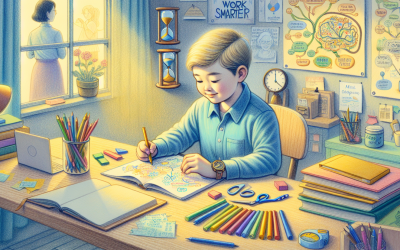
Gifted kids are a world of wonder and complexity! Did you know that they can experience emotions more intensely compared to their peers? As someone who deeply cares about fostering their well-being, understanding emotional regulation is crucial. In this article, we’ll dive into the most effective tools and techniques designed to support gifted children in managing their emotions. From mindfulness practices to creative expression, let’s explore how we can empower these bright young minds to navigate their emotional landscapes with ease.
Understanding Emotional Intensity in Gifted Kids
Gifted children often exhibit heightened emotional sensitivity, which can manifest as intense responses to seemingly ordinary situations. This heightened emotional landscape can be both a gift and a challenge. On one hand, it allows them to experience life profoundly, but on the other, it can lead to feelings of being overwhelmed or misunderstood.
Common emotional challenges faced by gifted kids include anxiety, perfectionism, and existential concerns. These children might worry excessively about global issues or have an acute fear of failure. Understanding and validating these feelings is essential. As Dr. Linda Silverman, an expert in gifted child psychology, explains, “Acknowledging their emotional experiences is the first step in helping gifted children feel understood and supported.”
Mindfulness Practices for Emotional Regulation
Mindfulness is a powerful tool for emotional regulation, especially for gifted children who may experience heightened stress levels. It helps in focusing attention and reducing the chaos of overwhelming emotions. Introducing mindfulness practices can be as simple as teaching your child to focus on their breathing or encouraging them to engage in mindful listening exercises.
- Breathing Exercises: Teach your child to take slow, deep breaths. Counting breaths or using guided meditations can be effective.
- Mindful Observations: Encourage your child to spend a few minutes each day observing their surroundings in silence. This practice heightens awareness and fosters a sense of calm.
Mindfulness not only helps in stress reduction but also improves focus, which can enhance academic and personal pursuits.
Creative Expression as an Emotional Outlet
Art, music, and creative writing can serve as vital outlets for emotional expression in gifted children. These forms of creative expression allow them to channel their thoughts and feelings into tangible forms, facilitating emotional release and understanding.
Consider providing your child with various materials for art projects or encouraging them to play an instrument. Writing stories or journaling can also help them articulate their inner world.
“Creative activities offer a safe space for gifted children to explore and process complex emotions,” says renowned art therapist Dr. Cathy Malchiodi.
Success stories abound of gifted kids finding peace and understanding through creative outlets, showcasing the transformative power of art and self-expression.
Building Emotional Intelligence in Gifted Children
Emotional intelligence (EQ) is as important as intellectual ability. Teaching your child to recognize and understand their own emotions—and those of others—can enhance their relationships and improve their emotional resilience.
- Emotional Awareness Activities: Discuss different emotions with your child using emotion cards or storytelling.
- Empathy Building: Role-playing and discussing hypothetical scenarios can help your child practice seeing things from other perspectives.
Ultimately, high emotional intelligence can help gifted children connect better with peers, leading to healthier social interactions and improved self-esteem.
The Role of Support Systems: Parents and Educators
The importance of a strong support system cannot be overstated. Parents and educators play a crucial role in nurturing the emotional well-being of gifted children.
Strategies for Parents
- Practice active listening and validate your child’s feelings.
- Encourage open communication by creating a safe space for expression.
Tips for Educators
- Create an emotionally supportive classroom environment by being attentive to students’ emotional cues.
- Collaborate with parents and counselors to tailor approaches that best suit the individual needs of the child.
Whether at home or school, collaboration between parents, teachers, and counselors ensures a unified approach to supporting gifted children.
Technology Tools for Emotional Regulation
In today’s digital age, technology can be harnessed to aid emotional regulation. Numerous apps are designed to support children’s emotional wellness through mindfulness exercises, mood tracking, and stress management techniques.
When selecting tech resources, consider the following tips:
- Choose age-appropriate apps that focus on mindfulness and relaxation.
- Incorporate these tools as supplements—not replacements—for personal interaction and guidance.
By leveraging digital tools thoughtfully, parents and educators can further empower gifted children to manage their emotions effectively.
Conclusion
Understanding and supporting the emotional needs of gifted kids isn’t just fulfilling—it’s essential! By incorporating these tools and strategies, we can open doors for gifted children to thrive not only academically but emotionally. Let’s embrace an approach that harmonizes their intellectual brilliance with emotional resilience. Whether you’re a parent, educator, or caregiver, your role in nurturing these budding minds is pivotal. So, let’s take action today to create an environment where gifted kids can shine in every aspect of their lives!