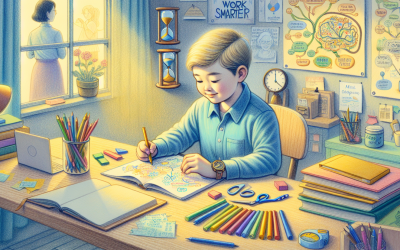
Understanding the Unique Leadership Potential of Gifted Children
Recognizing the Traits of Gifted Leaders
Gifted children often display unique characteristics that set them apart as potential leaders. These traits include advanced intellectual abilities, intense emotional depth, and heightened sensitivity to their environments. Understanding these characteristics is crucial for nurturing their leadership capabilities. According to Dr. Linda Silverman, a psychologist specializing in gifted education, “Gifted children can often perceive patterns and outcomes more rapidly than their peers, which allows them to forecast problems and solutions.” (*Source: Silverman, L.K. (2002). *Counseling the Gifted and Talented. Denver, CO: Love Publishing Company.)
Actionable Tips for Parents:
- Encourage Curiosity: Gifted children possess an insatiable curiosity. Encourage your child to explore different interests and ask questions.
- Provide Challenges: Present your child with complex problems to solve that are appropriate for their level of understanding. This can help hone their problem-solving skills.
- Cultivate Emotional Intelligence: Help your child develop empathy and understand different perspectives. This will enhance their ability to lead effectively.
Creating Opportunities for Leadership Development
Providing opportunities for gifted children to take on leadership roles is essential. These roles can range from leading group projects at school to engaging in community service activities. Schools and communities can serve as a vital platform for these experiences.
Expert Opinion:
Dr. Tracy Cross, a well-known researcher in gifted education, notes that “Leadership development ought to be an integral part of educational programs for gifted students to ensure they can apply their talents in real-world scenarios.” (*Source: Cross, T.L. (2011). *Suicide Among Gifted Children and Adolescents: Understanding the Suicidal Mind. Waco, TX: Prufrock Press.)
Practical Ways to Create Opportunities:
- School Clubs and Teams: Encourage participation in student government, debate teams, or science clubs.
- Community Engagement: Support involvement in local community projects or volunteering initiatives.
- Mentorship Programs: Facilitate connections with mentors who can provide guidance and insight into leadership roles.
Balancing Leadership with Personal Growth
While fostering leadership qualities, it is vital not to overlook the personal growth needs of gifted children. The pressure to lead can sometimes result in stress or burnout if not managed carefully.
Striking the Right Balance:
- Set Realistic Expectations: While high achievers often push themselves, it’s important to set expectations that aim for growth without causing undue stress.
- Promote Self-Care: Teach relaxation techniques and stress management to maintain a healthy life balance.
- Prioritize Personal Interests: Encourage hobbies and interests outside leadership roles to ensure holistic development.
In summary, understanding and nurturing the leadership potential in gifted children involves recognizing their unique traits, providing leadership opportunities, and ensuring their personal growth and well-being are balanced thoughtfully. Supporting these aspects will help gifted children thrive as successful leaders, now and in the future.
Identifying Key Leadership Skills in Young Gifted Minds
Recognizing Emerging Leadership Traits
Identifying leadership skills in young gifted minds requires a keen observation of their behavior and interactions. Young leaders often demonstrate an ability to understand complex problems and generate creative solutions. According to Dr. Frances Karnes, an expert in gifted education, “Gifted children often show early signs of leadership through their advanced communication skills and ability to influence their peers” (National Association for Gifted Children).
Parents and educators can look for key traits such as:
- Effective Communication: These children can articulate ideas clearly and persuasively.
- Empathy: They tend to show an understanding and consideration for others’ feelings and perspectives.
- Initiative: Gifted children often take charge in group settings without being prompted.
To help nurture these skills, it is essential to provide opportunities that encourage leadership, such as leading a small project or organizing team activities.
Fostering Decision-Making and Responsibility
Gifted children frequently exhibit strong decision-making skills. They are not only quick thinkers but also demonstrate the ability to weigh options and foresee potential outcomes. Dr. Joseph Renzulli, a pioneer in gifted education, notes, “Encouraging responsibility and self-direction in gifted children underscores the core of leadership development” (Renzulli Learning).
Actionable Tips for parents include:
- Encourage Choice-Making: Allow children to make decisions, whether about daily routines or more significant issues, to practice their decision-making skills.
- Discuss Outcomes: After decisions are made, discuss possible alternative outcomes to foster a growth mindset and learning from experiences.
Developing a Collaborative Spirit
While independent thinking is a hallmark of giftedness, collaboration remains crucial. Leadership is increasingly about working well with others and leveraging collective strengths. Encourage your child’s participation in group activities, where they can learn the value of teamwork.
Actionable Tips for fostering collaboration:
- Join Clubs or Teams: Enroll your child in extracurricular activities, such as debate teams or science clubs, where collaboration is necessary.
- Model Cooperation: Exhibit cooperative behavior in your own actions. For example, involve the child in family decision-making processes to illustrate the importance of considering diverse viewpoints.
By focusing on these areas, parents and educators can effectively identify and cultivate the intrinsic leadership qualities in gifted children.
Encouraging Collaboration and Teamwork Among Gifted Youth
Fostering an Environment of Open Communication
Creating a space where gifted youth feel comfortable expressing their thoughts and ideas is crucial for promoting collaboration. Open communication encourages team members to share their unique perspectives, leading to more innovative problem-solving. According to Dr. Linda Silverman, a renowned psychologist specializing in gifted education, “Gifted children often thrive in environments where they can exchange ideas freely and feel their contributions are valued.” (source).
Actionable Tips for Parents:
- Encourage Family Meetings: Hold regular meetings at home to discuss various topics or plan activities. This practice helps children learn to voice their opinions and consider the viewpoints of others.
- Practice Active Listening: Model active listening by fully engaging with your child’s narratives or questions without interrupting them. This reinforces the importance of open dialogue.
Building Trust and Mutual Respect
For collaboration to be effective, trust and respect among team members are imperative. Experts in child development stress the importance of these values, as they foster a sense of belonging and safety necessary for creativity. According to educational psychologist Dr. Karen Rogers, “When gifted children feel respected and trusted, they are more likely to take risks and contribute meaningfully to collaborative efforts.” (source).
Strategies to Build Trust:
- Group Projects: Encourage participation in group projects or extracurricular activities, which require reliance on peers to accomplish goals.
- Shared Leadership Roles: Rotate leadership roles within group activities, so each child experiences both leading and following, fostering mutual respect.
Emphasizing Empathy and Emotional Intelligence
Empathy is a crucial component of successful teamwork. Gifted children often possess heightened emotional sensitivity, which can be harnessed to improve collaborative efforts. Educational consultant Michele Kane suggests teaching empathy through role-playing scenarios and discussions about emotions: “Such practices help gifted youth understand diverse perspectives and work more harmoniously with others.” (source).
Practical Exercises:
- Role-Play Scenarios: Create situations where children have to step into someone else’s shoes to solve a problem, enhancing their understanding and empathy.
- Discuss Emotions Openly: Talk about characters’ feelings in books or movies, exploring how different emotions impact decisions and interactions.
Fostering Resilience and Adaptability in Gifted Leaders
Encouraging Mental Flexibility
Gifted leaders often face unique challenges that require a high degree of mental flexibility. This ability to adapt one’s thinking to new situations and unexpected obstacles is crucial for their success and growth. Dr. Carol Dweck, a renowned psychologist known for her work on mindset, suggests that fostering a growth mindset in children can significantly enhance their resilience and adaptability. She states, “When children believe they can develop their abilities, they are more resilient to setbacks” (source).
To nurture mental flexibility in gifted children, parents and educators can:
- Encourage Problem-Solving: Provide opportunities for children to encounter and solve different types of problems. This could involve puzzles, strategic games, or real-world challenges they can relate to.
- Promote Diverse Perspectives: Expose children to various cultures, ideas, and viewpoints through books, documentaries, and conversations. This broadens their understanding and helps them appreciate different angles of any situation.
Building Emotional Resilience
Gifted leaders often possess strong analytical skills, but they also need emotional resilience to handle the pressures and expectations placed upon them. Dr. Gabor Maté, an expert on childhood development, highlights the importance of fostering emotional awareness in children, stating that “emotional intelligence is the key to both personal and professional success” (source).
Here’s how parents can support the development of emotional resilience:
- Model Healthy Coping Mechanisms: Demonstrate how to handle stress and setbacks positively, teaching children that it’s okay to ask for help and express their emotions.
- Practicing Mindfulness: Introduce activities like meditation or deep-breathing exercises to help children manage stress and focus their thoughts.
- Discuss Failure Positively: Share stories of famous failures turned into successes to highlight that setbacks are part of the learning process and not the end.
Nurturing Curiosity and Innovation
Resilience in leadership is closely tied to the ability to innovate and remain curious. Gifted children should be encouraged to explore and question the world around them continually. As educator Sir Ken Robinson suggests, “Creativity now is as important in education as literacy, and we should treat it with the same status” (source).
Actionable strategies to inspire curiosity and innovation include:
- Create a Safe Space for Experimentation: Allow children to try new things without fear of failure. This might mean exploring new hobbies or projects that challenge their current abilities.
- Encourage Question Asking: Inspire children to ask questions about the world around them and seek out answers independently or collaboratively, fostering an environment of continuous inquiry.
- Connect Learning to Interests: Tailor educational experiences to align with the child’s interests, making learning a more engaging and relevant process.
Fostering resilience and adaptability in gifted leaders is a continuous journey that involves nurturing their mental, emotional, and creative faculties. By applying practical strategies and encouraging open-mindedness, parents and educators can help these young individuals become well-rounded and innovative leaders.
Integrating Emotional Intelligence into Leadership Development
Understanding Emotional Intelligence
Incorporating emotional intelligence (EI) into leadership development for gifted children is crucial in helping them manage emotions, empathize with others, and navigate social complexities. Emotional intelligence refers to the ability to recognize, understand, and regulate one’s own emotions as well as the emotions of others. According to Daniel Goleman, a renowned psychologist who popularized the concept, “Emotional intelligence accounts for nearly 90 percent of what sets high performers apart from peers with similar technical skills and knowledge” (source). By fostering EI, gifted children can enhance their interpersonal relationships and become more effective leaders.
Practical Strategies for Developing Emotional Skills
Parents and educators can play a significant role in nurturing emotional intelligence among gifted children. Here are some actionable strategies:
- Model Emotional Awareness: Demonstrate how to express emotions appropriately. For instance, explain your feelings during family discussions, which can encourage children to articulate their emotions.
- Encourage Empathy: Gifted children often have heightened sensitivity. Use this trait positively by engaging them in activities that require perspective-taking, such as role-playing or community service. This helps build empathy and social awareness.
- Promote Reflection: Create a practice of reflective thinking by asking children to journal about their daily emotional experiences. Discussing these reflections can aid in developing self-regulation and emotional understanding.
Fostering Leader Qualities through Emotional Growth
Gifted children, when equipped with strong emotional intelligence, are better prepared to assume leadership roles. Integrating these skills into their development process can be pivotal.
- Mentorship Programs: Partnering children with emotionally intelligent mentors who embody good leadership practices can provide them with real-world examples of empathy and social skills in action.
- Social Skills Workshops: Organize workshops focused on collaboration, conflict resolution, and effective communication. These sessions offer practical environments to practice and refine EI competencies.
Dr. Carol Dweck, a leading researcher in motivation and personality psychology, emphasizes the importance of growth mindset in leadership, noting that “individuals who believe their talents can be developed (through hard work, good strategies, and input from others) have this mindset”. Encouraging a growth perspective can complement EI development and instill resilience in gifted children (source).
Providing Opportunities for Leadership Practice and Growth
Encouraging Early Leadership Roles
Many experts agree that offering children opportunities to engage in leadership roles from a young age can significantly impact their development. According to Dr. Carol S. Dweck, a psychologist known for her work on mindset, “Allowing children to take charge in safe, structured environments fosters a growth mindset which can lead to greater resilience and success.” To facilitate this, parents and educators can encourage participation in activities such as student councils, clubs, or community service projects.
Actionable Tips:
- Join Clubs: Encourage your child to join or even start a club at school. This will help them learn how to lead peers and manage group dynamics.
- Volunteer Projects: Involve your child in organizing or leading community service initiatives. This can instill a sense of responsibility and initiative.
- Mentorship Opportunities: Pair your child with a mentor who exemplifies strong leadership skills. They can provide guidance and inspire confidence.
Cultivating Decision-Making Skills
Developing sound decision-making skills is integral to becoming an effective leader. As Daniel Goleman, author of “Emotional Intelligence,” notes, “Leaders are distinguished by their ability to make thoughtful decisions under pressure.” Parents can nurture these skills by involving their children in family decisions or encouraging them to weigh options and predict outcomes in various scenarios.
Actionable Tips:
- Family Meetings: Include your child in family decision-making processes, where their opinions are respected and considered.
- Role-Playing Exercises: Create scenarios where children must choose between different options and discuss the possible consequences of each choice.
- Reflective Journaling: Encourage your child to keep a journal to reflect on decisions they’ve made and the outcomes they’ve experienced.
Nurturing Collaborative Leadership
Leadership isn’t just about directing others; it’s also about working well in teams. Dr. Edward Hallowell, a renowned child psychiatrist, emphasizes that “Collaboration is at the heart of effective leadership, and teaching kids how to work well with others is crucial.” Structured group activities can teach children important collaborative skills such as communication, empathy, and compromise.
Actionable Tips:
- Team Sports: Enroll your child in team sports where they can practice working towards common goals.
- Group Projects: Encourage participation in group science fairs or presentations that require coordination and joint effort.
- Discuss Examples: Talk about leaders who exhibit strong collaborative skills. Analyze what makes them effective and how your child can emulate those traits.
By integrating these strategies into everyday life, parents can help cultivate leadership qualities in gifted children, equipping them with the tools they need to grow into capable and confident leaders.
Engaging Parents and Educators in Supporting Gifted Leaders
Building a Supportive Environment
For gifted children to develop their leadership skills effectively, it is crucial that both parents and educators collaborate in creating a nurturing and stimulating environment. Parents can play a pivotal role by recognizing and honoring their child’s unique potential. Strength-based parenting, which focuses on identifying and cultivating children’s innate strengths, has been shown to enhance resilience and well-being. Dr. Lea Waters, a psychologist and author of The Strength Switch, asserts, “When parents emphasize strengths, they bolster their children’s leadership capabilities by providing them with opportunities for growth and self-discovery” (The Huffington Post).
In the classroom, educators need to tailor learning experiences that challenge gifted students while also providing the emotional support and guidance needed to navigate their unique developmental path. Resource-rich environments where children can explore leadership through group projects, debates, and extracurricular activities encourage the practice of these skills in real-world settings.
Communication and Collaboration Strategies
Families and educators must establish effective communication channels to ensure consistency in supporting the child’s leadership development.
- Regular Meetings: Schedule regular meetings between parents and teachers to discuss the child’s progress and any emerging needs or challenges. This collaborative approach helps align the strategies used at home and school.
- Feedback Mechanisms: Create feedback systems where children can express their feelings about their leadership experiences. This encourages self-reflection and personal growth.
- Professional Development for Educators: Schools should invest in training programs for teachers on identifying and nurturing leadership skills in gifted children, ensuring that they are equipped with the latest pedagogical methods.
Renowned psychologist Dr. Sylvia Rimm emphasizes the importance of collaboration, stating, “The partnership between home and school is vital for maximizing the potential of gifted leaders. When both parties work in tandem, children benefit from a consistent and supportive approach” (Psychology Today).
Actionable Tips for Encouraging Leadership
Parents looking to encourage leadership tendencies in their gifted children can incorporate several practical strategies into daily routines:
- Model Leadership Behaviors: Demonstrate qualities like empathy, decision-making, and responsibility in everyday interactions. Children learn by example, and witnessing these traits can inspire them to emulate similar behaviors.
- Foster Independence: Give children opportunities to make choices and take ownership of small projects or tasks at home. This builds confidence and accountability.
- Encourage Civic Engagement: Involve children in community service projects or family-led initiatives that teach the value of contributing to society and understanding diverse perspectives.
- Create a Safe Space: Allow room for failure and experimentation. Encourage children to view setbacks as learning opportunities, which is essential for developing resilient leaders.
By actively engaging and collaborating, parents and educators can help gifted children harness their potential, building a foundation for strong, empathetic, and effective leaders of the future.