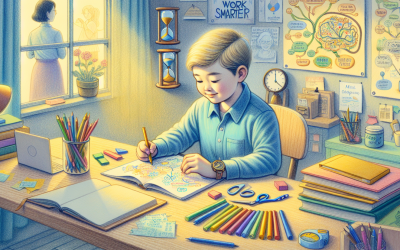
Understanding the Limits of the Brain Muscle Metaphor
Challenging the Muscle Analogy
The notion that the brain functions like a muscle—strengthened and developed primarily through repetitive exercise—can oversimplify the complexities of cognitive development, especially in gifted children. Unlike physical muscles, the brain is a complex organ with multiple areas responsible for various tasks, making it crucial for parents to understand the limitations of this metaphor.
Dr. Carol Dweck, a renowned psychologist from Stanford University, argues that while growth mindset principles can be beneficial, they should not be reduced to simple concepts such as “practice makes perfect.” She emphasizes that “it’s not merely about doing more but about doing differently” (source).
The Diverse Needs of Gifted Minds
Gifted children often require more than just repetitive exercises to thrive. Their brains may need diverse and stimulating challenges that go beyond standard educational practices. While the brain muscle metaphor might suggest that more practice leads to better skills, gifted children often benefit from engaging in innovative problem-solving and creative thinking.
Dr. Joanne Foster, an expert in gifted education, suggests that parents should focus on variety rather than sheer volume in learning activities: “Gifted children need opportunities to explore new interests and delve deeply into subjects that captivate their attention” (source).
Actionable Tips for Parents:
- Provide Diverse Learning Experiences: Encourage your child to pursue extra-curricular activities that challenge different areas of their intellect, such as music, art, science clubs, or debate teams.
- Encourage Curiosity and Inquiry: Facilitate environments where asking questions and exploring unusual topics is celebrated.
Nurturing Cognitive and Emotional Development
The brain muscle metaphor often overlooks the importance of emotional and social learning, which plays a significant role in holistic brain development. For gifted children, emotional intelligence and social skills are as important as intellectual prowess.
Educator Jane Smith explains, “Developing emotional resilience and adaptability is crucial for gifted children, who might face unique social challenges” (source).
Strategies to Implement:
- Foster Emotional Awareness: Discuss emotions openly and help your child identify and articulate their feelings.
- Promote Social Engagement: Facilitate social interactions through group activities where they can meet peers with similar interests.
By understanding these multifaceted needs, parents can better support their gifted children’s overall development, beyond the simplistic brain muscle analogy.
Bridging Science and Parenting in Nurturing Gifted Minds
Understanding Cognitive Development
In nurturing the minds of gifted children, it is crucial to understand how cognitive development plays a role in their learning experiences. Gifted children often display asynchronous development, where their intellectual capabilities exceed their emotional and social development. This disparity can lead to feelings of frustration or isolation if not properly addressed. Dr. Linda Silverman, a psychologist specializing in gifted education, highlights that “gifted children’s brains work more quickly and process information differently compared to their peers” (Gifted Development Center). Recognizing this uniqueness can help parents tailor their support to fit their child’s individual needs.
Actionable Tips:
- Encourage open dialogue about thoughts and emotions to bridge the gap between intellectual and emotional growth.
- Foster environments where your child feels safe to express themselves freely without judgment.
- Introduce peer groups or clubs where gifted children can connect with like-minded individuals to combat isolation.
The Role of Emotional Intelligence
Focusing solely on intellectual abilities might overlook the importance of emotional intelligence in gifted children. Enhancing emotional intelligence equips them with better tools to manage feelings and navigate social interactions. According to Daniel Goleman, author of “Emotional Intelligence,” emotional awareness helps children “become successful not just in academics but in life” (Link to Book).
Actionable Tips:
- Implement empathy-building activities such as role-playing different scenarios.
- Encourage journaling as a means to reflect on emotions and track changes over time.
- Practice mindfulness exercises, which can help in recognizing and regulating emotions.
Collaboration Between Parents and Educators
Parents of gifted children often find value in collaborating closely with educators to ensure their child’s needs are met both at home and school. Engaging with teachers to develop differentiated learning plans can make a significant difference in a gifted child’s academic experience. Dr. Karen Rogers, a renowned expert in gifted education, asserts that “partnerships between parents and teachers are essential for cultivating an environment where gifted children can thrive” (Journal for the Education of the Gifted).
Actionable Tips:
- Schedule regular meetings with teachers to discuss your child’s progress and any necessary adjustments.
- Create a joint learning plan that incorporates both academic and socio-emotional goals.
- Advocate for enrichment programs within the school curriculum that cater to the advanced needs of gifted learners.
By embracing these strategies, parents can play an integral role in bridging science and parenting, enhancing the growth and development of gifted children.
Encouraging Curiosity Over Rote Learning
Fostering a Love for Exploration
In the journey of nurturing a gifted child, encouraging curiosity rather than sticking strictly to rote learning can lead to more profound intellectual growth. Gifted children often exhibit a natural desire to explore their interests deeply. According to Dr. Carol Dweck, a renowned psychologist known for her research on mindset, “When children are encouraged to explore their interests, they become more resilient and engaged learners” (Stanford News). Providing opportunities that stimulate their curiosity can help them maintain their love for learning.
Creating an Inquiry-Based Environment
To cultivate an environment that prioritizes inquiry over memorization, parents can integrate everyday learning experiences. Encourage children to ask questions, even those that seem simple or off-topic. This approach not only nourishes their critical thinking skills but also makes learning more enjoyable. Parents can:
- Provide Resources: Offer access to books, documentaries, or podcasts aligned with their interests.
- Encourage Experimentation: Conduct simple science experiments at home to make learning hands-on.
- Ask Open-Ended Questions: Instead of focusing solely on correct answers, engage your child in discussions that allow them to express their thoughts fully.
Practical Strategies for Parents
Here are some actionable tips to support your child’s thirst for knowledge:
- Engage with Field Trips: Organize visits to museums, science centers, or cultural events that align with their passions.
- Integrate Technology: Use educational apps and online platforms that offer interactive learning experiences tailored to their interests.
- Set Up a Curiosity Corner: Dedicate a space in your home filled with materials like art supplies, puzzles, or objects from nature that can provoke thought and exploration.
By implementing these strategies, parents can help foster a lifelong passion for learning that extends beyond the confines of traditional education.
Creating Environments That Foster Intellectual Growth
Encouraging a Curiosity-Driven Atmosphere
Creating environments that foster intellectual growth begins with nurturing a child’s innate curiosity. Dr. Carol Dweck, a renowned psychologist known for her work on the mindset theory, suggests that parents should focus on creating a growth mindset environment. According to Dr. Dweck, “Children who believe their intelligence can be developed are more motivated to learn and exert effort.”
To cultivate this atmosphere at home, consider the following actionable tips:
- Ask Open-Ended Questions: Instead of asking questions that have a right or wrong answer, try to stimulate deeper thinking. For instance, ask your child, “What do you think would happen if…?”
- Provide Diverse Resources: Supply your child with a variety of reading materials, puzzles, and educational toys that cater to different interests and cognitive skills.
- Model Lifelong Learning: Demonstrate your own enthusiasm for learning by exploring new topics together and discussing the things you’re curious about.
Facilitating Comfortable Exploration
Gifted children often thrive when they feel safe to explore their interests without fear of failure. Educational psychologist Dr. Sylvia Rimm emphasizes the importance of providing a supportive and pressure-free zone where children can pursue their passions. She states, “A supportive environment that allows for failure as a stepping stone to learning is critical for gifted children.” More insights from Dr. Rimm can be found here.
Here are some practical steps to achieve this:
- Create Safe Spaces for Experimentation: Allow your child to engage in projects that may not have a clear outcome, encouraging them to learn from both their successes and mistakes.
- Celebrate Effort as Much as Achievement: Recognize and praise the effort your child puts into their endeavors, emphasizing the importance of the process over the final result.
- Regularly Reflect Together: Have discussions about what went well and what could improve. This practice helps children internalize that challenges are opportunities for growth.
Promoting Diverse Social Interactions
Intellectual growth is not solely an individual journey but also a social one. Engaging with peers and mentors from different backgrounds broadens a child’s perspective. Educator and author Jonathan Plucker asserts, “Gifted children benefit immensely from interacting with diverse groups, as it exposes them to varying viewpoints and stimulates creative problem-solving.” You can explore his educational philosophy here.
To support this aspect of growth:
- Organize Group Activities: Engage your child in clubs, sports teams, or community service where they can interact with peers who have different skills and experiences.
- Encourage Mentorship: Connect your child with mentors who can provide guidance and introduce them to new fields of knowledge.
- Foster Empathy and Understanding: Encourage your child to appreciate and respect differences, helping them develop strong emotional intelligence alongside their intellectual capabilities.
By adopting these strategies, parents can create a robust environment where their gifted children can flourish intellectually and emotionally.
Balancing Emotional and Intellectual Development
Understanding Emotional Intelligence
For parents of gifted children, focusing solely on intellectual development can inadvertently overlook the importance of emotional intelligence. Emotional intelligence is crucial for a child’s long-term success and happiness. According to Dr. Daniel Goleman, author of Emotional Intelligence, “Academic intelligence offers virtually no preparation for the turmoil—or opportunity—life’s vicissitudes bring” (source). It’s essential for parents to nurture their child’s ability to manage emotions, show empathy, and develop interpersonal skills.
Actionable Tips:
- Encourage Emotional Expression: Create a safe space for your child to express their feelings without judgment. This can be through talking, writing, or art.
- Model Empathy: Show empathic behavior in your own actions. Children learn by example, so demonstrating understanding and compassion helps them adopt these traits.
- Listening Skills: Practice active listening with your child. Validate their feelings and help them articulate what they are experiencing emotionally.
Intellectual Stimulation with Emotional Support
Gifted children often thrive in intellectually stimulating environments, but this must be balanced with emotional support. Dr. Linda Silverman, an educational psychologist specializing in gifted education, emphasizes that “giftedness is asynchronous development; the advanced cognitive abilities and heightened intensity create inner experiences that are qualitatively different from the norm” (source). Therefore, balancing their intellectual curiosity with emotional resilience is key.
Actionable Tips:
- Collaborative Problem-Solving: Encourage your child to engage in activities that require both logical reasoning and emotional insight, such as teamwork-based projects or group discussions.
- Mindfulness Practices: Introduce mindfulness or relaxation techniques to help manage stress and maintain emotional balance.
- Allow Downtime: Ensure your child has enough downtime to process what they’ve learned both intellectually and emotionally.
Building Social Skills
For many gifted children, social interactions can present unique challenges. Their advanced cognitive skills might not always align with their peers, which can lead to feelings of isolation or frustration. Supporting their social development is as important as nurturing their intellectual capabilities.
Actionable Tips:
- Social Groups and Clubs: Enroll your child in clubs or groups that match their interests, such as science fairs or book clubs, where they can meet like-minded peers.
- Role-Playing Scenarios: Use role-play to practice different social scenarios, helping your child learn how to navigate complex social dynamics.
- Encourage Group Activities: Foster opportunities for your child to work or play in group settings, enhancing their cooperative skills and confidence in social situations.
Personalized Learning Approaches for Bright Learners
Understanding the Unique Needs of Gifted Learners
Gifted learners often require a tailored approach to education, as their learning styles and needs can differ significantly from those of their peers. Personalized learning allows these children to thrive by accommodating their exceptional abilities and fostering their intrinsic motivation. According to Dr. Carol Bainbridge, an expert in gifted education, “Gifted children often show asynchronous development, meaning they may be ahead in some areas but not others. It’s crucial that educational strategies address these unique patterns.”
To support these learners effectively, parents and educators should prioritize differentiated instruction, which adapts teaching methods and materials to fit the diverse needs of students. Incorporating technology, such as adaptive learning programs, can also provide individualized challenges that align with each student’s pace and level of understanding.
Creating an Enriching Environment at Home
The home environment plays a pivotal role in nurturing a gifted child’s potential. Here are some actionable tips for parents:
- Curate a Resource-Rich Space: Provide access to a variety of books, puzzles, and educational games that stimulate critical thinking and problem-solving skills.
- Encourage Exploration: Foster curiosity by allowing your child to explore interests deeply, whether it’s through science kits, art supplies, or musical instruments.
- Implement Routine Reflection: Set aside time each week for your child to reflect on what they’ve learned and express their thoughts. This can be done through journaling or family discussions.
Engaging the Community and Seeking Support
Connecting with other families and specialists who understand the needs of bright learners can be immensely beneficial. By joining gifted education networks or local interest groups, parents can share resources, find mentors, and even collaborate on projects that enhance their child’s learning experience.
- Leverage Online Communities: Websites like Hoagies’ Gifted Education Page offer a wealth of information and forums for parents to learn more about supporting their gifted children.
- Attend Workshops and Seminars: Engaging in events focused on gifted education can provide valuable insights and strategies from experts and seasoned parents.
By tailoring educational experiences and environments to the needs of gifted learners, parents can ensure these bright minds are both challenged and supported, setting the stage for lifelong success and fulfillment.